
Platform Strategy & Audits: The Full Playbook
Most brands treat platform strategy & audits like annual dental cleanings—something they know they should do but keep postponing until there’s pain. Here’s the truth: by the time your engagement tanks or your competitor steals your audience, you’ve already lost six months of optimization opportunities. A proper platform strategy audit isn’t a retrospective autopsy; it’s preventive medicine that catches problems before they metastasize into budget-draining disasters.
I’ve watched companies burn through six-figure ad budgets on platforms where their audience doesn’t even exist. I’ve seen “social media managers” who’ve never once looked at their competitor’s content calendar or checked if their brand voice matches what their actual followers respond to.
This isn’t another surface-level listicle. We’re going deep on the platform audit checklist that separates professionals from pretenders, the social platform audit template that actually works across industries, and the platform audit scorecard methodology that turns subjective opinions into actionable data.
Table of Contents
- What Is Platform Strategy & Why Most People Get It Wrong
- The Anatomy of a Platform Strategy Audit
- Building Your Platform Audit Checklist
- The 5-Phase Audit Framework
- Platform Audit Scorecard Methodology
- Platform-Specific Audit Considerations
- Common Audit Mistakes That Kill ROI
- Frequently Asked Questions
- Final Thoughts
What Is Platform Strategy & Why Most People Get It Wrong
Platform strategy is the deliberate selection, prioritization, and optimization of digital channels based on where your audience actually lives, how they behave, and what business outcomes you can realistically achieve. It’s not about being everywhere; it’s about being effective somewhere.
The problem is that most “strategies” are just glorified posting schedules. Someone decides “we need to be on TikTok” because their CEO’s nephew said so, and suddenly you’re producing dance videos for an audience that wants B2B SaaS insights.
Real platform strategy starts with brutal honesty about three things:
- Audience-platform fit: Where do your actual customers (not your imagined personas) spend time?
- Resource reality: Can you actually maintain quality on this platform, or will it become a ghost town in three months?
- Competitive landscape: Are you entering a saturated space where you’ll need 10x the budget to get noticed, or is there a gap you can exploit?
According to research from the Pew Research Center, platform usage varies dramatically by demographics, yet most brands still treat social media as a monolithic entity. That’s like selling snow gear in Miami because “people buy winter clothes.”
The Anatomy of a Platform Strategy Audit
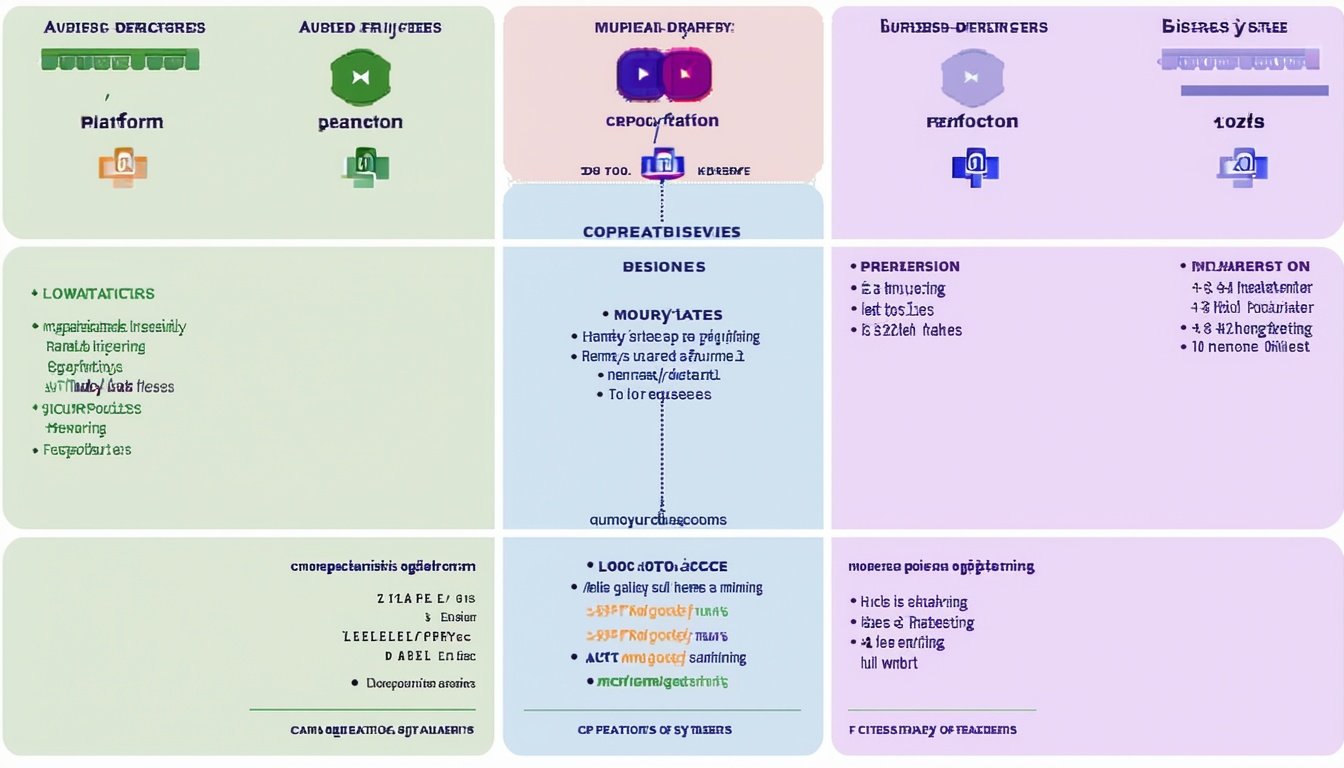
A platform strategy audit is a systematic evaluation of your current social media presence against strategic objectives, competitive benchmarks, and platform best practices. Think of it as a health check that diagnoses what’s working, what’s broken, and what opportunities you’re missing.
Here’s what separates a real audit from a vanity metrics report:
Strategic Alignment Assessment
Does your platform presence actually support business goals, or are you just accumulating followers who’ll never convert? I’ve seen brands with 100K Instagram followers generate zero revenue because they built an audience interested in memes, not their product.
Your audit needs to map each platform activity to a specific business outcome. If you can’t draw a line from “posting three times daily on Twitter” to “increased demo requests” or “improved customer retention,” you’re doing busy work.
Technical Infrastructure Review
This is the unglamorous stuff that actually matters:
- Are your profiles fully optimized with current branding, links, and contact info?
- Do you have proper tracking pixels and UTM parameters set up?
- Are you using platform-native features (Stories, Reels, Spaces) or just cross-posting blog links?
- Is your content accessible (alt text, captions, readable fonts)?
Most brands fail here because it’s not sexy. But if your Instagram bio still links to a product you discontinued in 2023, you’re hemorrhaging potential customers.
Audience Intelligence Analysis
Who actually follows you, and does it match who you’re trying to reach? Use native analytics to pull demographic data, then compare it against your ideal customer profile. The gap between these two numbers tells you if you’re attracting the right people or just accumulating random eyeballs.
When conducting social media marketing techniques audits, I’ve found that 60% of brands have a significant mismatch between their target audience and their actual followers. That’s not a content problem; it’s a strategic misalignment that no amount of “better captions” will fix.
Competitive Positioning
What are your competitors doing that’s working? What are they doing that’s failing? More importantly, where are the white spaces they’re ignoring?
This isn’t about copying. It’s about understanding the competitive landscape so you can differentiate. If every competitor is doing polished product photography on Instagram, maybe your opportunity is raw, behind-the-scenes content that builds authenticity.
Building Your Platform Audit Checklist
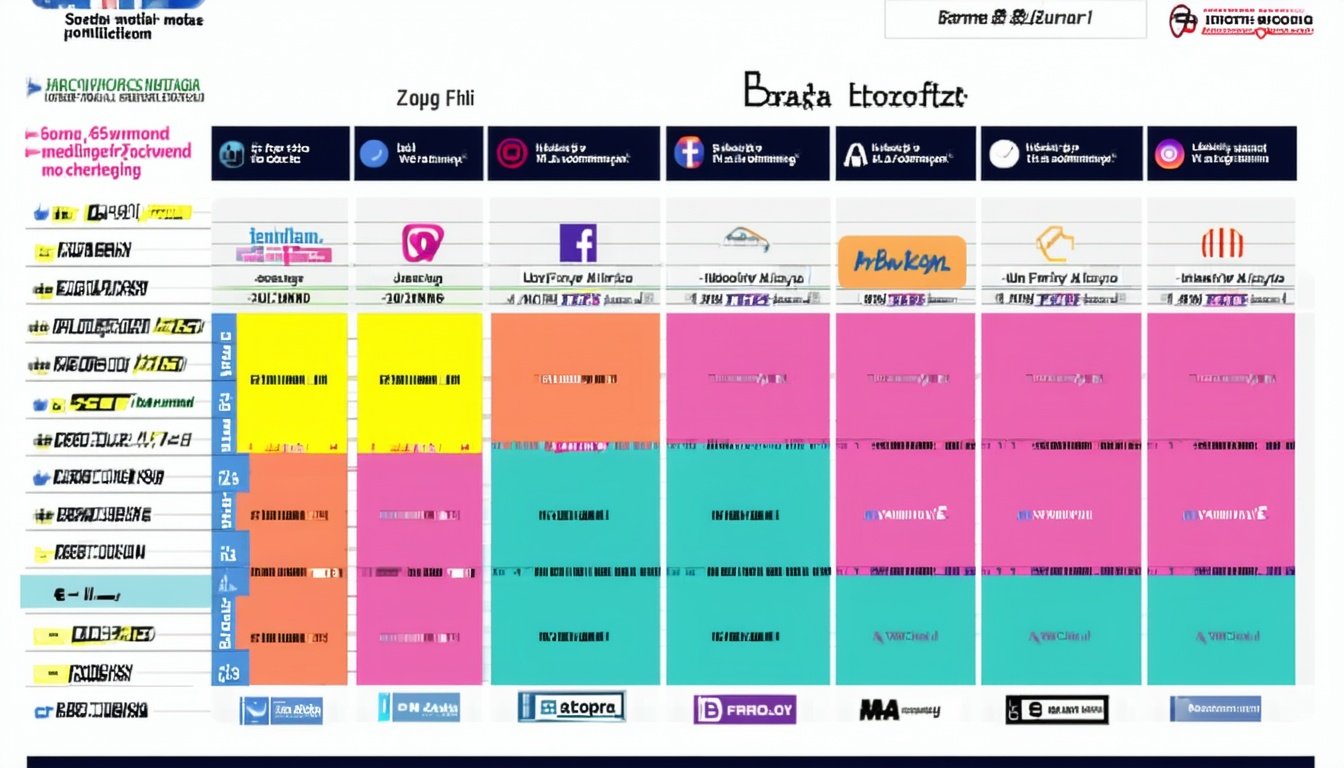
A platform audit checklist is your quality control mechanism. It ensures you’re evaluating every critical element consistently across platforms and over time. Here’s the framework I use, broken into five categories:
1. Profile Optimization (The Foundation)
- Profile photo matches current brand guidelines (not your logo from 2019)
- Bio/description includes primary keyword and clear value proposition
- All links are current and properly tracked with UTM parameters
- Contact information is accurate and monitored
- Verification badge obtained (if applicable and available)
- Cover images/banners reflect current campaigns or evergreen brand messaging
2. Content Performance Analysis
- Top 10 performing posts by engagement rate (not just likes)
- Bottom 10 performing posts and pattern analysis
- Content type breakdown (video vs. image vs. text vs. link posts)
- Posting frequency and consistency patterns
- Engagement rate trends over the audit period
- Share of voice compared to competitors
Pro tip: Don’t just look at averages. Identify your outliers—the posts that performed 3x better or worse than your baseline. Those are your learning opportunities.
3. Audience Quality Metrics
- Follower growth rate (and whether it’s organic or paid)
- Demographic alignment with target customer profile
- Engagement rate by follower segment
- Bot/fake follower percentage (use a tool like SparkToro or HypeAuditor)
- Audience sentiment analysis from comments and mentions
- Community health indicators (ratio of positive to negative interactions)
4. Technical & Operational Health
- Response time to comments and DMs
- Crisis management protocol existence and testing
- Content approval workflow efficiency
- Tool stack effectiveness (scheduling, analytics, listening)
- Team roles and responsibilities clarity
- Budget allocation vs. platform performance ROI
5. Strategic Alignment Indicators
- Conversion tracking from social to website/product
- Attribution model for social-influenced conversions
- Customer acquisition cost by platform
- Lifetime value of customers acquired through each platform
- Brand awareness lift (measured through surveys or search volume)
- Customer service deflection rate (issues resolved on social vs. escalated)
Bottom line: if your checklist doesn’t include business metrics, you’re just auditing vanity.
The 5-Phase Audit Framework
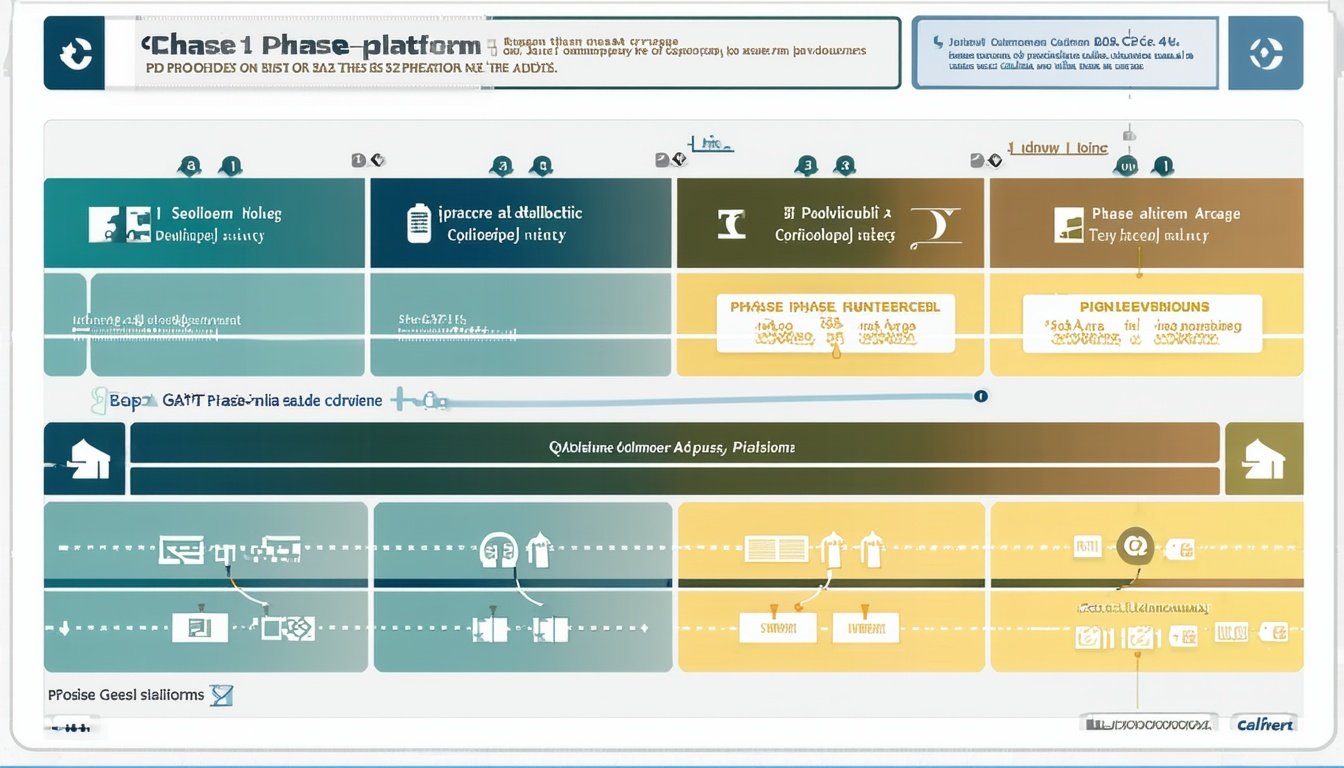
Here’s how to actually execute a platform strategy audit without drowning in data or producing a report that nobody reads:
Phase 1: Data Collection (Week 1)
Pull native analytics from every platform you’re active on. Don’t rely on third-party tools exclusively—they miss nuances. Export:
- Last 90 days of post-level performance data
- Audience demographic breakdowns
- Traffic and conversion data from Google Analytics (filtered by social source)
- Competitor performance benchmarks (use tools like Socialbakers or manual tracking)
Set up a spreadsheet or use a tool like Airtable to centralize everything. The goal is to have all your data in one place before you start analysis.
Phase 2: Quantitative Analysis (Week 1-2)
Run the numbers through your platform audit scorecard (more on this in the next section). Look for:
- Trend lines: Are key metrics improving, declining, or flat?
- Anomalies: What caused that spike in engagement in July? What killed your reach in October?
- Correlations: Does posting frequency correlate with engagement, or are you just spamming?
- Benchmarks: How do you stack up against industry standards and direct competitors?
This is where most audits stop. That’s a mistake.
Phase 3: Qualitative Assessment (Week 2)
Numbers don’t tell the whole story. Spend time actually using your platforms like a customer would:
- Read through your last 50 posts. Do they sound like they’re from the same brand, or is your voice all over the place?
- Check your competitors’ content. What are they doing that resonates? What feels forced?
- Review comments and DMs. What questions keep coming up? What complaints are ignored?
- Test your customer journey. Can someone actually find your product/service from your social profiles?
This qualitative layer catches things like “our Instagram looks professional but boring” or “our Twitter replies are passive-aggressive” that metrics won’t reveal.
Phase 4: Synthesis & Prioritization (Week 3)
Now you have a mountain of data and observations. Time to make sense of it:
- Group findings into themes: Technical issues, content problems, audience misalignment, resource constraints, etc.
- Assess impact: Which issues are costing you the most (revenue, time, reputation)?
- Evaluate effort: What’s a quick win vs. a six-month project?
- Create an action matrix: High-impact/low-effort items go first. Low-impact/high-effort items get deprioritized or killed.
Use the ICE scoring method (Impact × Confidence × Ease) to rank your findings objectively. This prevents the loudest voice in the room from dictating priorities.
Phase 5: Reporting & Implementation Planning (Week 3-4)
Your audit report should be scannable and actionable. Structure it like this:
- Executive Summary: Three key findings, three priority recommendations (one page max)
- Current State Overview: High-level metrics and trends
- Platform-by-Platform Analysis: What’s working, what’s not, why it matters
- Competitive Insights: Where you’re winning and losing
- Prioritized Action Plan: Specific recommendations with owners, timelines, and success metrics
- Resource Requirements: What you need (budget, tools, headcount) to execute
Skip the 40-slide deck. Nobody reads those. Give stakeholders a one-pager and a detailed appendix they can reference if needed.
Platform Audit Scorecard Methodology
A platform audit scorecard transforms subjective assessments into objective, comparable data. Here’s the scoring framework I use across all audits:
The 10-Point Scale System
For each audit category, assign a score from 1-10:
- 1-3 (Critical): Fundamental problems that require immediate attention
- 4-6 (Needs Improvement): Functional but underperforming; optimization needed
- 7-8 (Good): Meeting standards; incremental improvements possible
- 9-10 (Excellent): Best-in-class; maintain and document for replication
Weighted Category Scoring
Not all categories matter equally. Weight them based on business impact:
- Strategic Alignment (30%): Does this platform drive business results?
- Audience Quality (25%): Are you reaching the right people?
- Content Performance (20%): Is your content resonating?
- Technical Health (15%): Is everything set up correctly?
- Operational Efficiency (10%): Are you using resources wisely?
Multiply each category score by its weight, then sum for a total platform score out of 10.
Example Scorecard: Instagram Audit
| Category | Raw Score | Weight | Weighted Score |
|---|---|---|---|
| Strategic Alignment | 6 | 30% | 1.8 |
| Audience Quality | 7 | 25% | 1.75 |
| Content Performance | 5 | 20% | 1.0 |
| Technical Health | 8 | 15% | 1.2 |
| Operational Efficiency | 6 | 10% | 0.6 |
| Total Platform Score | — | — | 6.35/10 |
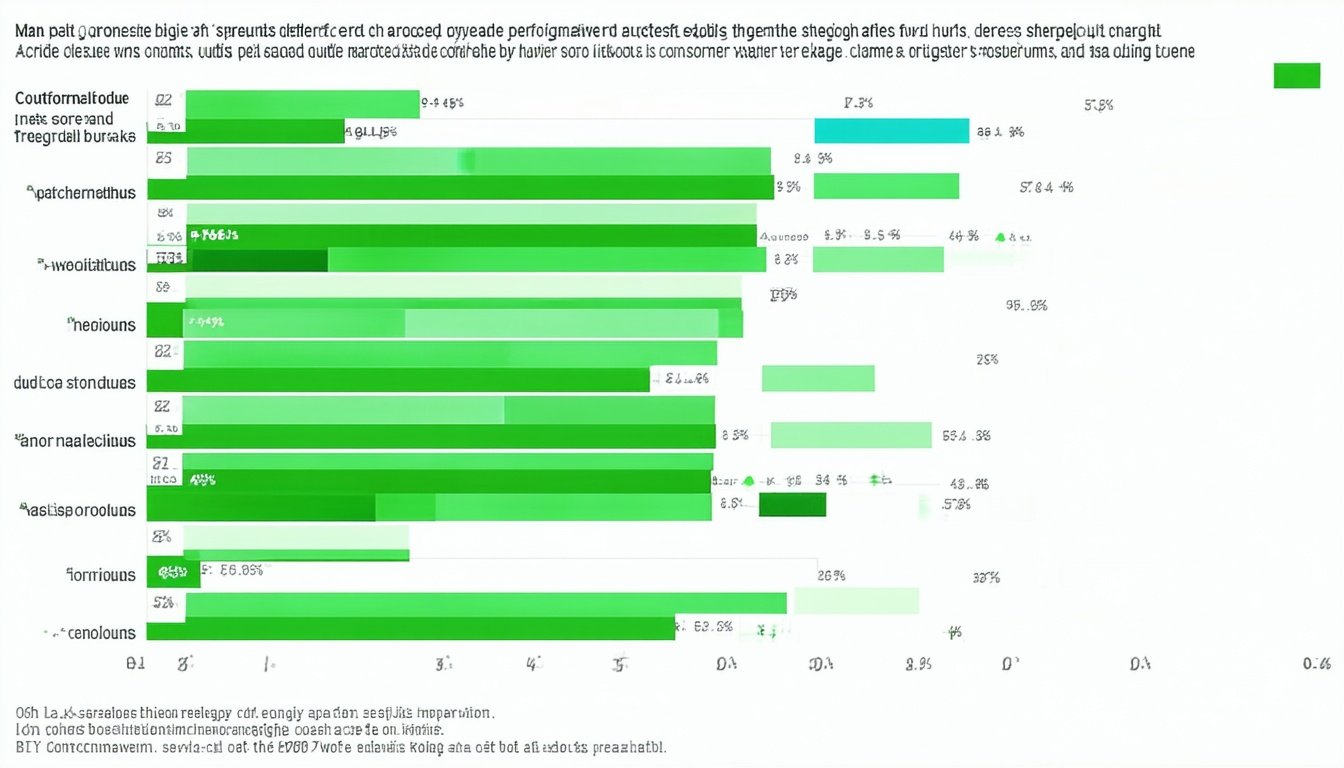
This scorecard tells you that Instagram is underperforming (6.35/10), with content performance being the biggest drag. That’s where you focus optimization efforts.
Benchmarking Against Competitors
Run the same scorecard for your top 3-5 competitors. This reveals:
- Where you’re outperforming (double down)
- Where you’re lagging (catch up or differentiate)
- Where everyone sucks (opportunity for disruption)
If your competitor scores 8.5 on Instagram while you’re at 6.35, you either need to invest heavily to compete or consider whether Instagram is worth the fight.
Platform-Specific Audit Considerations
While the core audit framework applies universally, each platform has unique characteristics that require specialized evaluation criteria. Here’s what to focus on for major platforms:
LinkedIn: The Professional Network
Unique metrics that matter:
- Employee advocacy participation rate
- Thought leadership content performance (articles, long-form posts)
- Lead generation form completion rates
- InMail response rates (if using Sales Navigator)
- Company page follower job titles and seniority
LinkedIn audits should emphasize B2B metrics. If you’re getting tons of engagement but it’s all from students and job seekers when you sell enterprise software, you have an audience problem.
Instagram: The Visual Storytelling Platform
Unique metrics that matter:
- Stories completion rate (how many people watch to the end)
- Reels vs. feed post performance differential
- Shopping tag click-through and conversion rates
- DM response rate and quality
- Hashtag performance and discoverability
Instagram is where aesthetic consistency matters most. Your audit should include a visual brand coherence assessment—do your last 30 posts look like they’re from the same brand?
Twitter/X: The Real-Time Conversation Hub
Unique metrics that matter:
- Reply rate and conversation depth
- Retweet-to-like ratio (indicates shareability)
- Impressions from search vs. timeline
- Community Notes frequency (if applicable)
- Thread performance vs. single tweets
Twitter audits need to assess your participation in relevant conversations. Are you just broadcasting, or are you actually engaging with your industry’s discourse?
TikTok: The Algorithm-Driven Discovery Engine
Unique metrics that matter:
- Average watch time percentage
- For You Page (FYP) vs. Following feed traffic
- Sound usage and trend participation effectiveness
- Stitch and Duet engagement rates
- Follower conversion rate from viral videos
TikTok audits should focus on whether you understand the platform’s culture. Brands that try to be “professional” on TikTok usually fail. Authenticity and entertainment value trump production quality.
Facebook: The Community & Commerce Platform
Unique metrics that matter:
- Group engagement vs. page engagement
- Marketplace listing performance (if applicable)
- Event RSVP and attendance rates
- Video watch time and retention curves
- Ad performance correlation with organic content
Facebook audits need to acknowledge the platform’s declining organic reach. If you’re not running ads or building a group, you’re probably wasting time on Facebook in 2026.
Common Audit Mistakes That Kill ROI
After conducting hundreds of platform audits, I’ve seen the same mistakes repeatedly. Here are the ones that cost the most:
Mistake #1: Auditing Vanity Metrics
Follower count, likes, and impressions are not business metrics. They’re indicators, but they don’t pay bills.
I’ve seen brands celebrate hitting 100K followers while their website traffic from social dropped 40%. That’s not success; that’s a participation trophy.
Fix: Always tie social metrics to business outcomes. Track conversions, revenue, customer acquisition cost, and lifetime value by platform. If you can’t connect the dots, you’re measuring the wrong things.
Mistake #2: Ignoring Platform-Native Features
Platforms reward users who adopt new features early. If you’re still just posting static images on Instagram while competitors are crushing it with Reels, you’re fighting the algorithm.
According to social media marketing research, platform algorithms consistently favor content types they’re trying to promote. Ignoring this is like swimming against the current.
Fix: Your audit should include a feature adoption assessment. Are you using Stories, Live, Shopping, Guides, Reels, etc.? If not, why not? Test new features within 30 days of launch.
Mistake #3: One-Size-Fits-All Content Strategy
Cross-posting the same content to every platform is lazy and ineffective. What works on LinkedIn (professional insights) bombs on TikTok (entertainment-first). What crushes on Twitter (hot takes) feels out of place on Instagram (visual storytelling).
Fix: Your audit should reveal platform-specific content performance patterns. Use these insights to develop platform-native content strategies, not a universal posting calendar.
Mistake #4: Auditing Without Competitive Context
Your engagement rate means nothing in isolation. If you’re at 2% and your industry average is 5%, you’re underperforming. If you’re at 2% and your competitors are at 0.5%, you’re winning.
Fix: Always benchmark against direct competitors and industry standards. Tools like Rival IQ, Socialbakers, or even manual tracking give you this context.
Mistake #5: Producing Reports Nobody Reads
The 50-page audit deck with every metric you could possibly track is impressive. It’s also useless if nobody acts on it.
Fix: Lead with action. Your executive summary should answer three questions: What’s broken? What’s the impact? What do we do about it? Everything else is supporting documentation.
Mistake #6: Auditing Once and Forgetting
Platform strategy isn’t set-it-and-forget-it. Algorithms change, competitors adapt, and audience behavior shifts. An audit from six months ago is already outdated.
Fix: Build quarterly mini-audits into your workflow. Track your scorecard metrics monthly so you can spot trends before they become problems.
Frequently Asked Questions
How often should I conduct a platform strategy audit?
For most businesses, quarterly audits strike the right balance. If you’re in a fast-moving industry or running aggressive campaigns, monthly check-ins make sense. Annual audits are too infrequent—platforms change too fast, and you’ll miss critical optimization windows.
That said, don’t confuse a full audit with ongoing monitoring. You should be tracking key metrics weekly or monthly, but the deep-dive analysis happens quarterly.
What’s the difference between a platform audit and a content audit?
A platform audit examines your strategic positioning, technical setup, audience alignment, and competitive landscape across channels. A content audit focuses specifically on what you’ve published—performance metrics, content gaps, and editorial quality.
Think of platform audits as the foundation inspection; content audits are the interior design review. You need both, but they serve different purposes.
Can I use the same audit template for all social platforms?
No, and anyone selling you a one-size-fits-all template is lying. While core principles overlap (audience quality, engagement, conversion tracking), each platform has unique metrics, features, and audience behaviors.
Your LinkedIn audit needs to assess thought leadership and B2B engagement; your TikTok audit focuses on virality mechanics and trend participation. Build platform-specific modules within a unified framework.
What tools do I actually need for a comprehensive platform audit?
At minimum: native analytics from each platform, a social listening tool like Brandwatch or Sprout Social, a competitor analysis tool, and a spreadsheet for synthesis.
Avoid tool bloat—most platforms give you 80% of what you need for free. Invest in paid tools only when you’ve maxed out native capabilities. I’ve seen teams spend $10K/month on analytics tools they barely use while ignoring the free insights sitting in their platform dashboards.
How do I prioritize findings from a platform audit?
Use the ICE framework: Impact, Confidence, Ease. Score each finding on a 1-10 scale for potential business impact, your confidence in the diagnosis, and implementation ease. Multiply the scores. Tackle high-ICE items first.
This prevents you from chasing vanity metrics or getting paralyzed by low-priority technical debt. A quick win that drives revenue beats a six-month project that improves your aesthetic.
Final Thoughts: Audit Like Your Budget Depends On It
Here’s what nobody tells you about platform strategy & audits: they’re uncomfortable. You’re going to discover that half your efforts are wasted, that your “best-performing” platform is actually a resource drain, and that your competitor is eating your lunch because they figured out something obvious that you missed.
Good.
That discomfort is the price of improvement. The brands that win on social media aren’t the ones with the biggest budgets or the most followers—they’re the ones who ruthlessly audit their performance, kill what’s not working, and double down on what is.
Your platform audit checklist isn’t a bureaucratic exercise. It’s your competitive advantage. It’s the difference between guessing and knowing. Between hoping your strategy works and having data that proves it does.
So stop treating audits like annual chores. Build them into your rhythm. Make them part of your culture. And when you find something broken, fix it fast.
Your competitors are already doing this. The question is whether you’ll catch up before they lap you.
Now go audit something.
As an Amazon Associate, I earn from qualifying purchases.