
Table of Contents
- Why Your Industry Changes Everything
- Understanding Your Industry’s Unique Audience
- Step-by-Step Guide to Building Your Strategy
- Social Media Strategies by Industry Type
- Choosing the Right Platforms for Your Industry
- Creating Content That Actually Resonates
- Measuring Success Across Industries
- Recommended Resources
- Time to Take Action
Why Your Industry Changes Everything
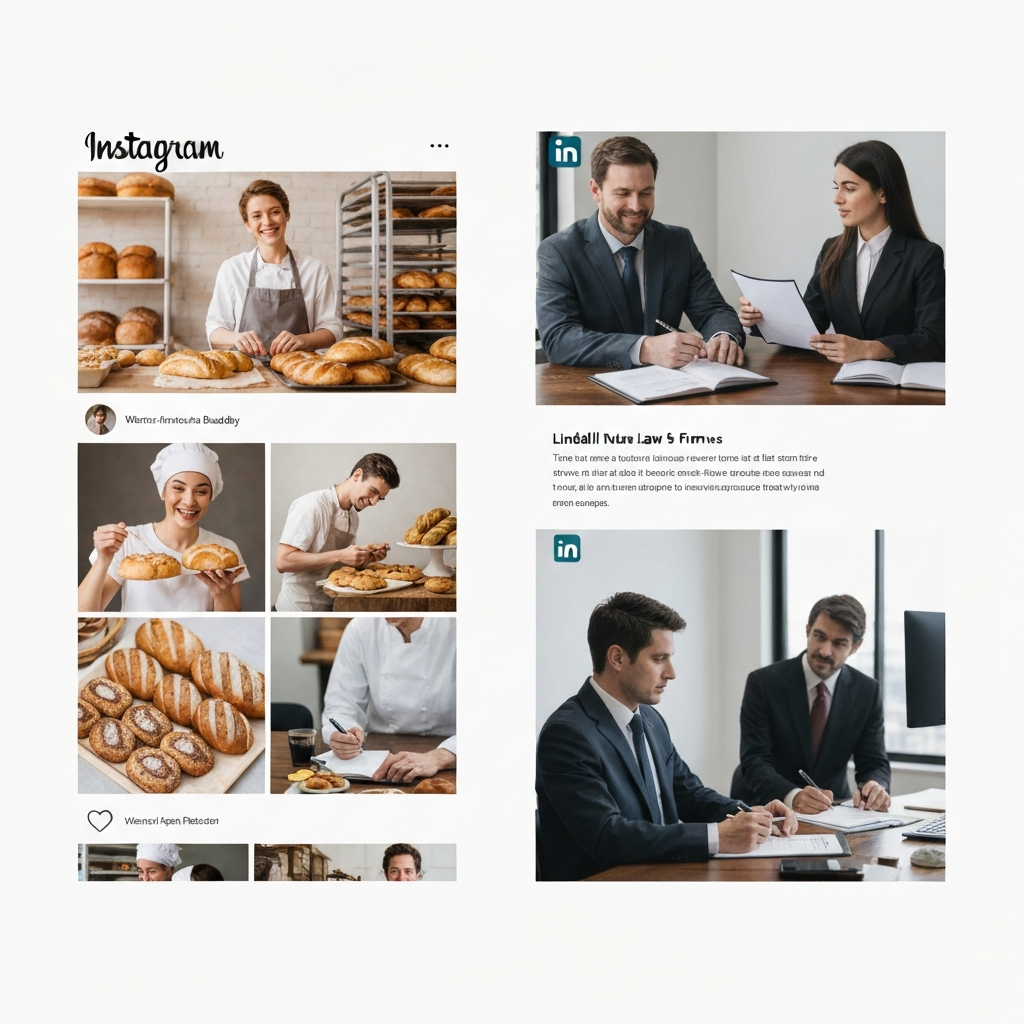
Here’s a truth that might surprise you: the social media strategy that works brilliantly for a trendy coffee shop could completely flop for a law firm. And that fitness influencer’s approach? It probably won’t help your accounting practice gain traction.
If you’ve ever felt frustrated watching your competitors crush it on social media while your posts seem to disappear into the void, you’re not alone. The problem isn’t that social media doesn’t work—it’s that you might be using strategies designed for entirely different industries.
Think about it this way: you wouldn’t wear a swimsuit to a job interview (unless you’re applying to be a lifeguard, of course). The same logic applies to your social media approach. What you post, where you post it, and how you talk to your audience should all be shaped by the specific world your business operates in.
The good news? Once you understand how to tailor your strategy to your industry, everything clicks into place. Let’s walk through exactly how to make that happen.
Understanding Your Industry’s Unique Audience
Before you post a single thing, you need to get crystal clear on who you’re actually talking to. This goes way beyond basic demographics like age and location.
Every industry attracts people with specific pain points, desires, and habits. A real estate buyer is in a completely different headspace than someone browsing for new sneakers. One is making a life-changing decision; the other wants a quick dopamine hit from a fresh pair of kicks.
According to research from Sprout Social, 76% of consumers have purchased something they saw on social media. But here’s the catch—what triggers that purchase varies wildly depending on the industry and the buyer’s mindset.
Ask yourself these questions about your audience:
- What problem are they desperately trying to solve?
- How do they prefer to consume content (quick videos, long reads, pretty pictures)?
- What emotions drive their purchasing decisions in your industry?
- Where do they hang out online, and when are they most active?
When you’re ready to dig deeper into understanding your ideal customer, our guide on building your brand identity walks you through the entire process.
Step-by-Step Guide to Building Your Strategy
Step 1: Research Your Industry Leaders
Start by finding 5-10 successful businesses in your industry and study what they’re doing on social media. Don’t just look at the big corporations—pay attention to thriving small and mid-sized businesses too. Notice which platforms they prioritize, what types of content get the most engagement, and how they communicate with their followers.
Step 2: Identify Your Industry’s Content Sweet Spots
Every industry has content types that naturally perform well. For restaurants, it’s mouthwatering food photography. For fitness brands, it’s transformation stories and workout demos. For B2B companies, it’s thought leadership and case studies. Your job is to identify these sweet spots and lean into them.
Step 3: Map Out Your Platform Strategy
You don’t need to be everywhere. In fact, spreading yourself too thin is one of the biggest mistakes beginners make. Based on your industry research, choose 2-3 platforms where your audience actually spends time and commit to showing up consistently there.
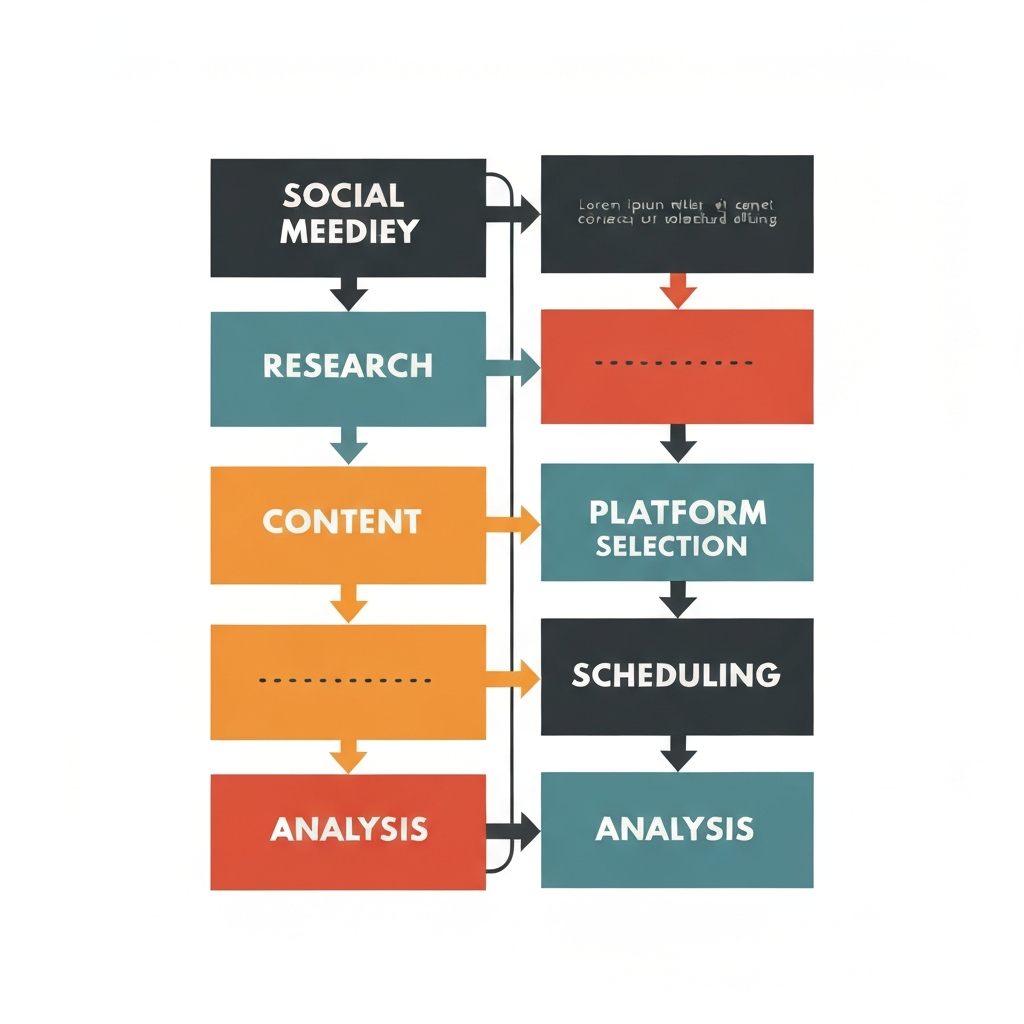
Step 4: Create Your Content Calendar
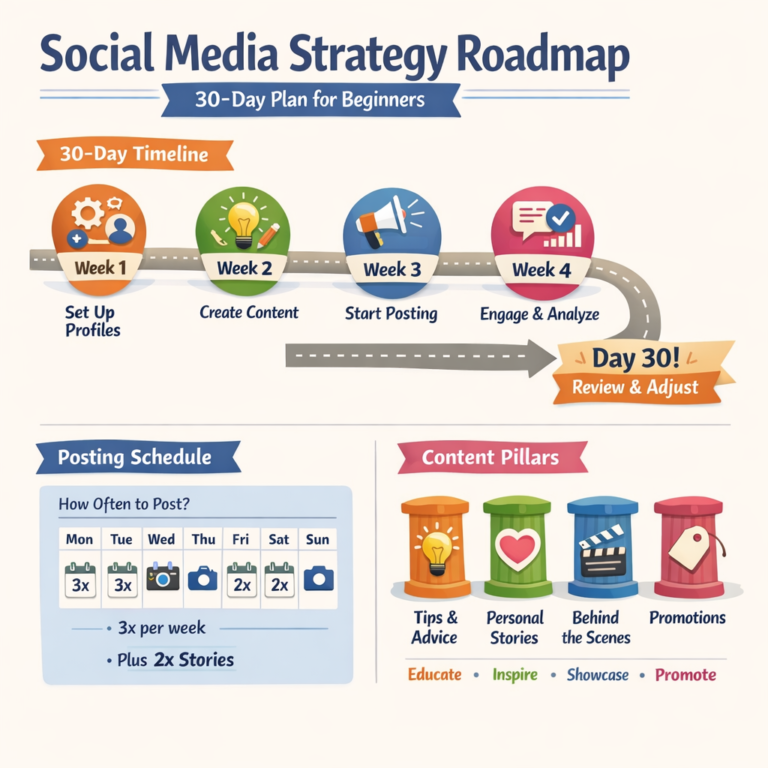
Random posting leads to random results. Map out your content at least two weeks in advance, mixing up your content types while staying true to your industry’s strengths. If you haven’t already, check out our resource on creating a social media strategy that actually works.
Step 5: Engage Like a Human, Not a Brand
This is where so many businesses drop the ball. They post their content and then ghost their audience. Real growth happens in the comments section, in the DMs, and in genuine conversations with your community.
Social Media Strategies by Industry Type
Retail & E-commerce
If you’re selling products online, visual platforms are your best friends. Instagram, TikTok, and Pinterest should be at the top of your list. Focus on lifestyle imagery that shows your products in action, user-generated content from happy customers, behind-the-scenes peeks at your brand, and time-sensitive offers that create urgency.
Quick tip: Short-form video content (think Reels and TikToks) is absolutely crushing it for e-commerce right now. Product demonstrations, unboxing videos, and “day in my life” content featuring your products can drive serious traffic to your store.
Healthcare & Wellness
Trust is everything in healthcare. Your social media presence needs to feel credible, warm, and educational. Focus on debunking myths with factual information, sharing patient success stories (with permission, of course), introducing your team to humanize your practice, and providing genuinely helpful health tips.
Facebook tends to work well for local healthcare practices, while Instagram and YouTube are great for wellness brands. Just remember to stay compliant with industry regulations—HIPAA guidelines apply to social media too.
Real Estate
Real estate thrives on visual content and local expertise. Your strategy should showcase stunning property photos and virtual tours, neighborhood spotlights and local business features, market updates and home-buying tips, and personal stories that help clients connect with you as a person, not just an agent.
Instagram, Facebook, and YouTube are powerful platforms for real estate professionals. LinkedIn is also worth considering for luxury real estate or commercial properties.
Restaurants & Food Service
Food is inherently shareable, which makes social media a natural fit for restaurants. Your focus should be on high-quality food photography (good lighting is non-negotiable), behind-the-scenes kitchen content, featuring your staff and their personalities, and promoting specials, events, and seasonal menus.
Instagram and TikTok are essential. Facebook remains valuable for event promotion and reaching local communities. Pro tip: Encourage customers to tag you in their posts—user-generated content is marketing gold for restaurants.
Professional Services (B2B)
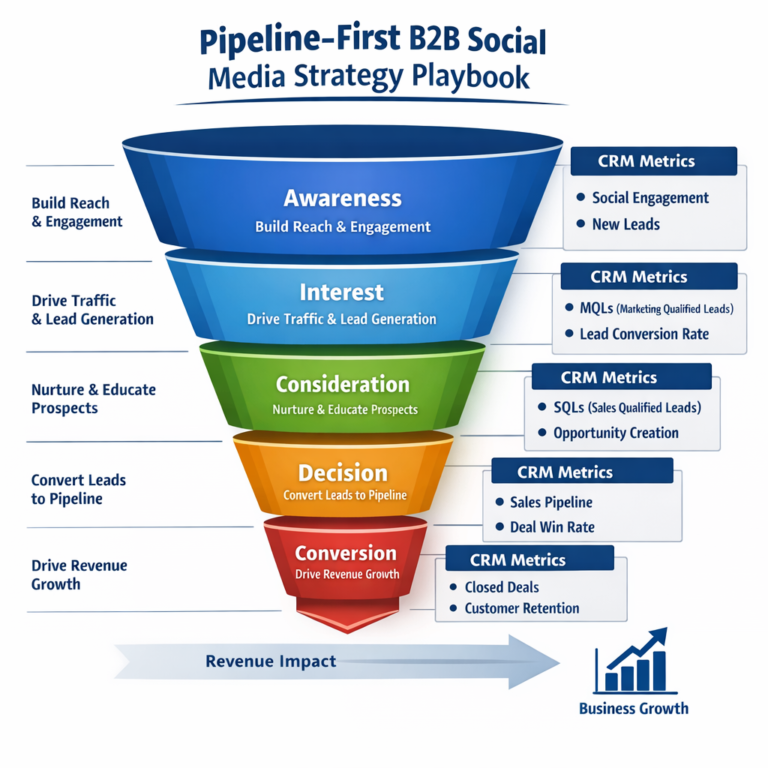
If you’re selling services to other businesses—think consulting, legal, accounting, or marketing—your approach needs to feel more polished and value-driven. LinkedIn should be your primary platform, with a focus on thought leadership content and industry insights, case studies showing measurable results, professional tips that position you as an expert, and company culture content that attracts both clients and talent.
According to HubSpot’s research, LinkedIn generates the highest visitor-to-lead conversion rate for B2B companies, making it incredibly valuable for professional service firms.
Choosing the Right Platforms for Your Industry
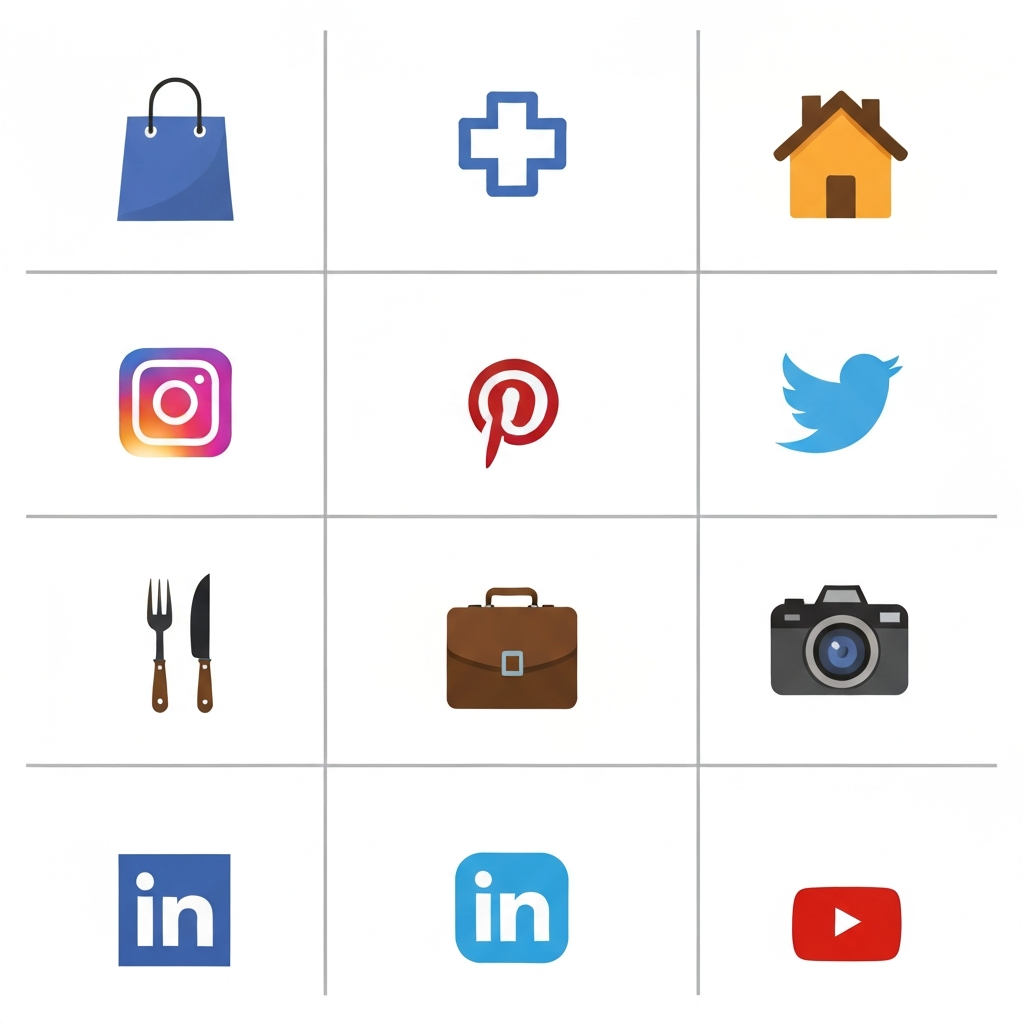
Let’s make this super simple. Here’s a quick breakdown of which platforms tend to work best for different industries:
- Instagram: Retail, restaurants, beauty, fitness, travel, lifestyle brands
- TikTok: Any industry targeting audiences under 40, especially those with visual or entertaining content potential
- LinkedIn: B2B services, professional services, recruiting, corporate brands
- Facebook: Local businesses, healthcare, real estate, community-focused brands
- Pinterest: Home décor, fashion, food, DIY, wedding industry
- YouTube: Education, fitness, tech, real estate, any industry where longer demonstrations add value
Remember, it’s better to absolutely nail two platforms than to be mediocre on six. Start focused, and expand only when you’ve built momentum.
Creating Content That Actually Resonates
Here’s a secret that took me years to learn: the best social media content doesn’t feel like marketing. It feels like something genuinely useful, entertaining, or inspiring that happens to come from a business.
When brainstorming content ideas, run each concept through this filter:
- Would my ideal customer stop scrolling for this?
- Does this solve a problem or answer a question they have?
- Is this authentic to my brand’s voice and values?
- Would I engage with this if I saw it on my personal feed?
If the answer to any of these is “no,” go back to the drawing board. Your audience can smell promotional fluff from a mile away.
For more hands-on tips about connecting with your followers, explore our guide on engagement strategies for beginners.
Measuring Success Across Industries
The metrics that matter most depend entirely on your industry and goals. Here’s what to focus on:
- E-commerce: Click-through rates, conversion rates, revenue attributed to social
- Local service businesses: Direct messages, phone calls, appointment bookings
- B2B companies: Lead generation, website traffic, content downloads
- Restaurants: Foot traffic increases, reservation requests, event RSVPs
- Healthcare: New patient inquiries, appointment requests, community engagement
Don’t get distracted by vanity metrics like follower counts. What really matters is whether your social media efforts are actually driving business results.
Recommended Resources
Ready to level up your social media game? These resources can help you implement everything we’ve covered:
- Social Media Marketing Workbook by Jason McDonald – A practical, hands-on guide perfect for beginners who want step-by-step instructions.
- Social Media Content Planner – A physical planner to help you organize your posting schedule and content ideas without feeling overwhelmed.
- Ring Light with Phone Holder – If you’re creating video content or product photography, good lighting makes all the difference. This affordable option is a game-changer.
Time to Take Action
You now have everything you need to build a social media strategy that’s tailored specifically to your industry. No more copying tactics from businesses that operate nothing like yours. No more wondering why your posts aren’t connecting.
Here’s your homework for this week: Pick one action item from this guide and implement it before you go to bed tonight. Maybe that’s researching five competitors, choosing your primary platforms, or brainstorming ten content ideas that fit your industry’s sweet spot.
The businesses crushing it on social media didn’t get there overnight. They got there by showing up consistently with content that genuinely resonates with their specific audience. You can absolutely do the same thing—it just takes starting.
So what are you waiting for? Your future followers are out there, scrolling right now. Go give them something worth stopping for.
Affiliate Disclosure: As an Amazon Associate, I earn from qualifying purchases. This means if you click on a link and make a purchase, I may receive a small commission at no extra cost to you.




One Comment
Comments are closed.