
Did you know that businesses can lose up to 70% of their revenue because of bad online marketing? In today’s world, having a strong online presence is key. But it’s not just about being seen. It’s about making money.
A good social media conversion system can change everything. It turns followers into customers, making every click count for your income.
The big question is: Are your online efforts really making you money? With the right social media marketing strategy, you can balance getting people’s attention and making sales. This way, you get a real return on your investment.
Key Takeaways
- Good online marketing is essential to avoid losing money.
- A social media conversion system helps turn followers into paying customers.
- Smart social media marketing drives sales and ROI.
- It’s important to balance getting people’s attention and making sales online.
- Knowing how social media affects your revenue is critical for businesses.
1. Build Your Conversion-Focused Content Strategy (Because Hope Isn’t a Marketing Plan)
To turn social media clicks into real customers, businesses must craft a content strategy that drives conversions. They need to grasp the customer journey and make content that fits each step.
Align Content with Customer Journey Stages
It’s key to match content with the customer journey. This journey has awareness, consideration, and decision stages. At the awareness stage, content should educate about pain points. For example, a content marketing strategy that meets specific customer needs works well.
- Create awareness with informative blog posts and social media content.
- Nurture consideration with case studies, webinars, and comparison guides.
- Facilitate decision-making with testimonials, demos, and free trials.
Create Content That Solves Problems Worth Paying to Fix
Content that solves real problems is more likely to convert. Identify your audience’s pain points and make content that shows these issues and offers solutions. For instance, a detailed guide on solving a problem can make your product or service seem like the best choice.
“The goal of content marketing is to create and distribute valuable, relevant, and consistent content to attract and retain a clearly defined audience — and, ultimately, to drive profitable customer action.”
Master the 80/20 Rule: Education vs. Promotion
The 80/20 rule says 80% of your content should educate or entertain, and only 20% should promote. This balance is key to earning your audience’s trust. By focusing on educational content, you can show your brand as a leader in your field.
- Develop a content calendar that outlines both educational and promotional content.
- Use storytelling techniques to make your content more engaging.
- Leverage user-generated content to build trust and credibility.
By using these strategies, businesses can make a content strategy that attracts and keeps customers. The main thing is to be consistent, relevant, and valuable in your content.
2. Optimize Your Social Profiles Like They’re Your Digital Storefront
To get more conversions, treat your social profiles like a digital store. It’s not just a good idea; it’s key. Your profile is your first chance to make a good impression. It’s vital for building trust and getting people to act.
A top-notch profile has a clear call to action, the latest contact info, and branded visuals. These show you’re trustworthy. Let’s look at how to make this happen.
Craft Bios That Tell Visitors Exactly What to Do Next
Your bio is more than a few words; it’s a sales pitch. It should clearly say what you do, who you help, and what action you want visitors to take. Use this space to tell your story briefly.
For example, a witty tone can make your bio stand out. Instead of saying, “We’re a marketing agency,” say, “We’re the marketing ninjas who help you disappear from the competition!” This grabs attention and leaves a lasting impression.
Strategic Link Placement with Linktree, Stan Store, or Beacons
Having multiple links in your bio can change the game. Tools like Linktree, Stan Store, or Beacons let you share many links. You can direct traffic to your website, blog, or landing pages.
This smart link placement makes it easy for visitors to find what they need. It boosts the chance of conversion. It’s about making it simple for your audience to take the next step.
Visual Branding That Screams “Trustworthy Professional”
Visual branding is not just about looking good; it’s about being recognized and trusted. Use the same colors, fonts, and images on all your social profiles. This creates a strong brand identity.
A professional profile picture, a high-quality cover photo, and consistent posting style build trust. This visual consistency across platforms strengthens your brand’s message. It makes your profile instantly recognizable.
By optimizing these elements, you can greatly improve your social media presence. You can turn visitors into loyal customers.
3. Master the Art of Lead Magnets That People Actually Download
Lead magnets are key to getting people’s contact info and turning them into loyal customers. In today’s digital world, a good lead magnet can really boost your sales and conversion rates.
Choose Lead Magnets Based on Customer Pain Points
To make great lead magnets, you must know what your customers are struggling with. What problems do they face? What do they need and want? By knowing this, you can make lead magnets that really speak to them.
- Ebooks and Guides: Give detailed info on a topic, sharing valuable insights and solutions.
- Webinars and Online Courses: Teach about a subject, showing off your knowledge.
- Templates and Checklists: Give practical tools to help customers reach their goals or solve problems.
Create Frictionless Opt-In Processes with Tools Like ConvertKit or Leadpages
A smooth opt-in process is vital for your lead magnets to work well. Tools like ConvertKit or Leadpages make it easy to create simple, focused landing pages that get people to sign up.
By making the opt-in process easy, you can get more people to join in. Use clear language, keep forms short, and make sure your lead magnet is easy to see.
Deliver Immediate Value That Makes Them Want More
The secret to a great lead magnet is giving your customers something valuable right away. Whether it’s a detailed guide or a useful template, it should offer something worth coming back for.
- Relevance: Make sure your lead magnet meets your audience’s needs and interests.
- Quality: Offer top-notch content that’s well-researched and engaging.
- Accessibility: Make it easy for customers to get your lead magnet, whether it’s a download or a special webinar.
4. Design Your Social Media Conversion System from Click to Cash
Turning social media clicks into paying customers is an art. It needs precision and strategy. A well-designed social media conversion system is key to making engagement pay off.

Map Your Complete Conversion Funnel Across All Touchpoints
Knowing the customer journey is essential. Businesses must map out their conversion funnel from the first social media post to the final purchase. They need to track every step a customer takes before buying.
As
“The goal is to turn data into insights, and insights into action.”
– a philosophy that aligns with creating an effective conversion funnel.
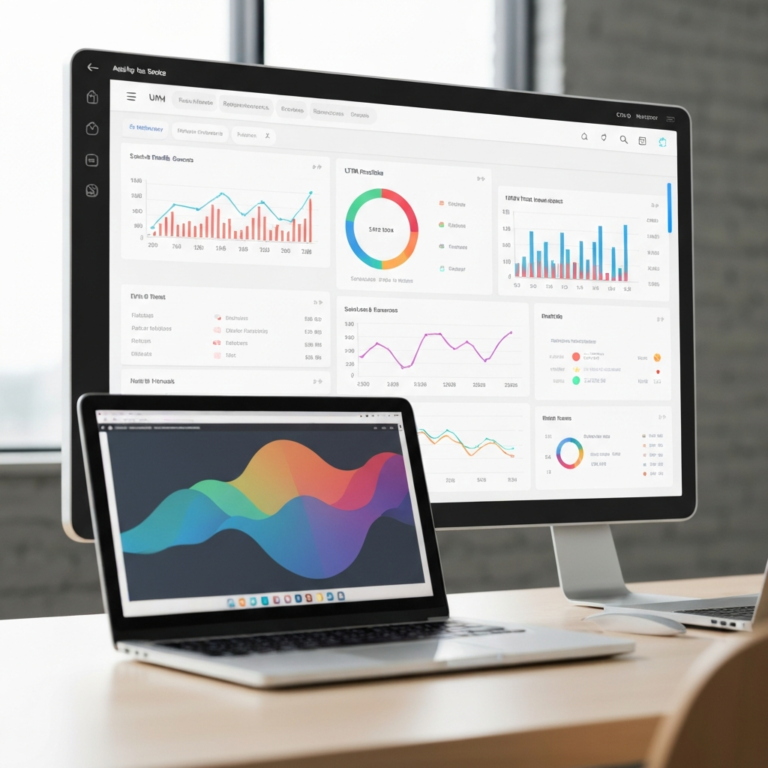
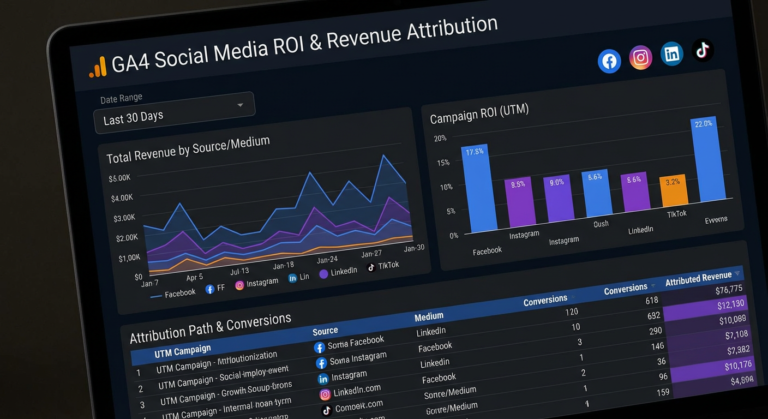
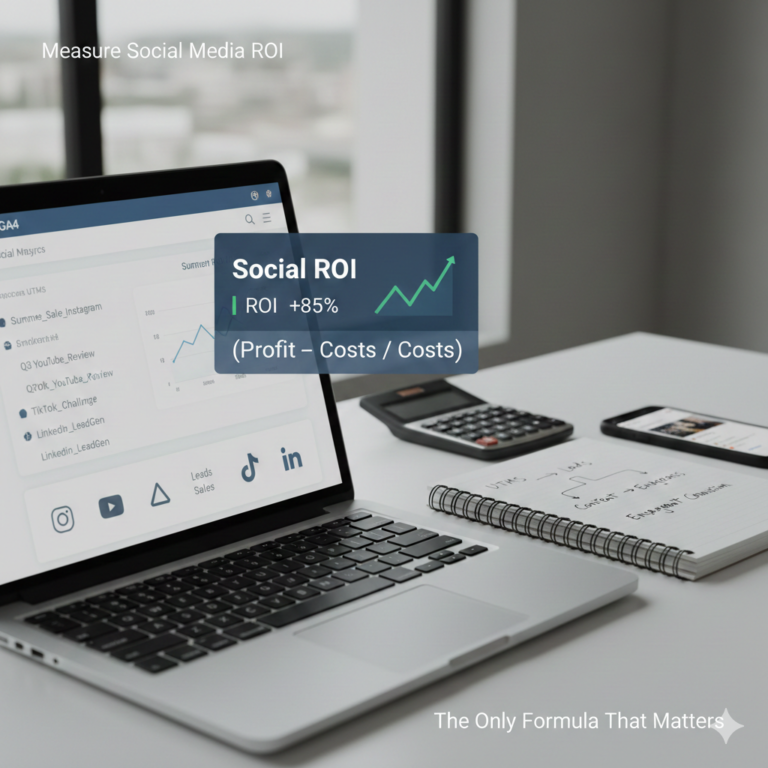
Set Up Tracking with Google Analytics, Facebook Pixel, and UTM Parameters
To improve the conversion process, businesses should set up tracking mechanisms. Tools like Google Analytics, Facebook Pixel, and UTM parameters are useful. They offer insights into customer behavior and highlight areas for betterment.
- Google Analytics for website traffic analysis
- Facebook Pixel for tracking social media ad performance
- UTM parameters for campaign-specific tracking
Create Consistent Messaging Across Instagram, Facebook, LinkedIn, and TikTok
Consistency is key in messaging across social media platforms. Businesses should keep their brand voice and message the same on Instagram, Facebook, LinkedIn, and TikTok. This strengthens the brand identity and supports the conversion message.
By using these strategies, businesses can build a social media conversion system. This system effectively converts clicks into cash.
5. Weaponize Social Proof to Demolish Buyer Objections
Social proof is a strong tool in your marketing kit. It helps beat buyer doubts and increases sales. Today, people trust what others say more than ads.
Showcase Customer Testimonials and Transformation Stories
Customer testimonials are a big deal. They can really sway someone’s decision to buy. By sharing how your product or service helped others, you gain trust and credibility.
For example, sharing a customer success story on social media can be very convincing. It could be a video, a written review, or a before-and-after photo. These stories show the value of what you offer.
Feature User-Generated Content in Your Stories and Posts
User-generated content (UGC) is also a great way to use social proof. When you ask customers to share their experiences, you get real content that speaks to others.
UGC can be photos, videos, or reviews. Using this content in your posts and stories proves your brand’s worth. It also builds a community around your brand.
Display Revenue Numbers, Customer Counts, and Success Metrics
Showing off numbers like revenue growth, customer counts, and success metrics boosts your brand’s credibility. These figures prove your brand’s impact and value.
| Metric | Value | Impact |
|---|---|---|
| Revenue Growth | 25% | Indicates increasing demand |
| Customer Count | 10,000+ | Shows widespread adoption |
| Customer Satisfaction | 95% | Reflects high-quality service |
By using social proof through testimonials, UGC, and success metrics, you can win over buyer doubts and boost sales. This strategy builds trust and sets your brand apart in a crowded market.
6. Design Landing Pages That Convert Social Traffic Like Crazy
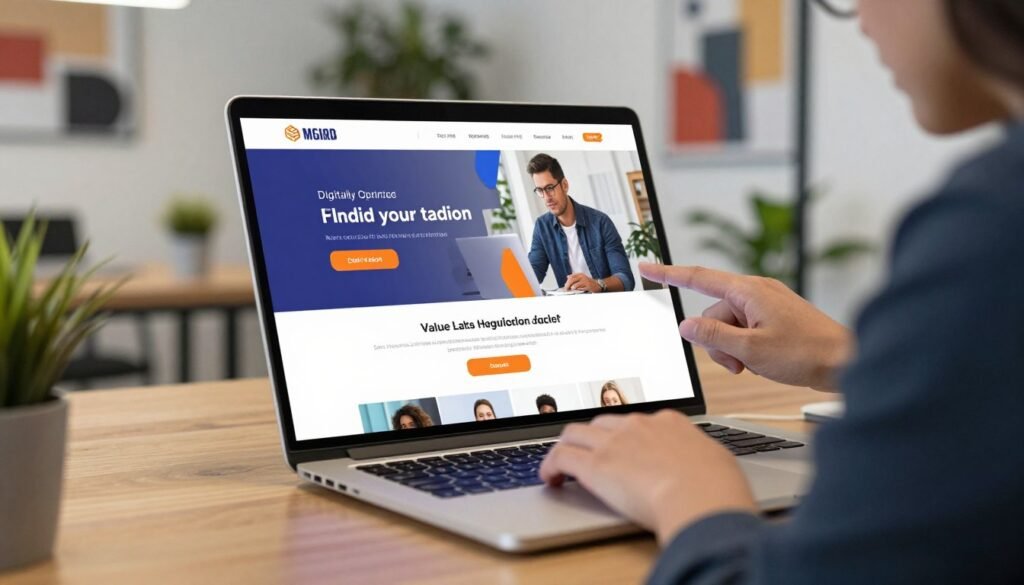
Your landing page is key to turning social browsers into customers. It’s more than a digital brochure; it’s a tool to capture leads or drive sales. A well-designed page can make all the difference.
Several elements need to be optimized to create effective landing pages. Let’s explore how to make your landing pages not just look good but also convert well.
Match Landing Page Headlines to Your Ad Copy Precisely
Your landing page headline should match your ad copy. This consistency is important. It keeps the visitor’s expectations in line and avoids confusion.
For example, if your Facebook ad offers a “Free E-commerce Guide,” your landing page should say the same. Saying “Get Your Free E-commerce Guide Now!” keeps the visitor interested and trusting.
Remove Navigation and Focus on a Single Conversion Goal
A cluttered landing page can distract visitors. It’s best to remove unnecessary navigation and focus on one goal. This approach helps visitors know what to do next.
For instance, if you want to get email addresses, your page should have a clear sign-up form and CTA. Saying “Subscribe Now” guides visitors to the action you want them to take.
Optimize Load Speed and Mobile Experience for Impatient Scrollers
Today’s users expect fast results. A slow-loading page can lead to high bounce rates and low conversions. It’s essential to make sure your page loads quickly, even on mobile.
Google PageSpeed Insights can help find ways to improve your page. Compressing images, using browser caching, and reducing CSS/JS files are good strategies.
| Optimization Technique | Description | Impact on Load Speed |
|---|---|---|
| Image Compression | Reducing the file size of images without compromising quality. | High |
| Browser Caching | Storing frequently-used resources locally on the user’s browser. | Medium |
| Minifying CSS/JS | Removing unnecessary characters from code files. | High |
By using these strategies, you can improve your landing page’s user experience. This leads to better conversion rates. Remember, a fast and mobile-friendly page is essential in today’s digital market.
7. Use Retargeting to Capture the 97% Who Didn’t Buy the First Time
Retargeting gives a second chance to those who didn’t buy right away. It’s a key strategy for re-engaging people who might be interested later. Most leads need more than one touchpoint to convert.
Install Meta Pixel, Google Tag, and LinkedIn Insight Tag
The first step is to install the right tracking pixels. Use Meta Pixel, Google Tag, and LinkedIn Insight Tag to track user behavior. This helps you understand how users interact with your content.
These pixels give you detailed insights into user behavior. You can see who visited specific pages or abandoned carts. This info helps you create targeted campaigns.
Segment Audiences by Page Visits, Video Views, and Engagement Level
Not all visitors are the same. Some are more engaged than others. By segmenting your audience based on their interactions, you can make more personalized ads.
For example, users who watched a lot of your video might be more interested. Those who looked at your pricing page are likely considering buying. Targeting these users with specific ads can boost your conversion rates.
Build Retargeting Sequences with Increasing Urgency and Specificity
A single ad might not be enough to convert someone. Create a retargeting sequence with increasing urgency and specificity. Start with broad ads, then move to more targeted ones.
For example, your sequence could start with an ad reminding users of the product they viewed. Then, offer a discount or promotion. End with a limited-time offer to create urgency. This keeps your brand in mind and encourages action.
8. Engage with Intent (Not Just to Rack Up Vanity Metrics)
To really use social media for business, you must engage with purpose. This means making real connections, not just collecting numbers. It’s about helping prospects move forward, not just getting likes.
Respond to comments with thoughtful questions. Turn direct messages into sales talks. And personally contact your hottest prospects.
Respond to Comments with Questions That Move Prospects Forward
It’s key to answer comments on your posts. But don’t just reply; ask questions that advance the conversation. For example, if someone comments on a new product post, ask how it could solve their problem.
Turn Direct Messages into Qualified Sales Conversations
Direct messages are a treasure trove for sales talks. When someone contacts you, qualify the conversation. Ask what drew them to your product or what challenges they face.
Identify and Personally Reach Out to Hot Prospects
Finding hot prospects means looking at who’s really interested in your stuff. Once you find them, a personal message can make a big difference. It can turn them into customers.
“The future of marketing is not about being the loudest; it’s about being the most relevant.” – Mari Smith
| Engagement Level | Characteristics | Action |
|---|---|---|
| High | Frequently likes, comments, and shares content | Personally reach out with personalized offers |
| Medium | Occasionally engages with content | Respond to comments with questions to increase engagement |
| Low | Rarely engages with content | Monitor and adjust content strategy |
By engaging with purpose, businesses can turn social media into a sales powerhouse. It’s not just about having lots of followers. It’s about having a dedicated and engaged customer base.
9. Automate Your Conversion Process with Smart Tools
Automating your conversion process is now essential, not just a luxury. Smart tools help businesses streamline their sales funnel. This makes their process more efficient and boosts conversion rates.
Using various tools, businesses can qualify leads, nurture prospects, and track customer interactions. This reduces manual work and lets businesses answer customer inquiries quickly. It also improves customer satisfaction.
Deploy Chatbots Using ManyChat or MobileMonkey to Qualify Leads 24/7
Chatbots have changed how businesses talk to customers. By using chatbots on platforms like Messenger and Instagram DMs, businesses can work 24/7 without needing humans. Tools like ManyChat and MobileMonkey help create advanced chatbots.
For example, a business can use ManyChat to make a chatbot that asks questions to qualify leads. The chatbot can then send leads to the right sales rep or page, and even offer customer support.
“The use of chatbots in business has increased significantly over the past few years, and it’s expected to continue growing as more businesses recognize the benefits of automation.”
Set Up Automated Email Sequences with ActiveCampaign or Klaviyo
Email marketing is a powerful way to nurture leads and turn them into customers. Automated email sequences with ActiveCampaign or Klaviyo send targeted emails based on behavior and preferences. This helps move leads through the sales funnel.
| Email Marketing Tool | Key Features | Benefits |
|---|---|---|
| ActiveCampaign | Automated email sequences, personalization, and segmentation | Improved lead nurturing, increased conversions |
| Klaviyo | Automated email sequences, personalization, and analytics | Enhanced customer engagement, increased revenue |
Integrate HubSpot or Salesforce to Track Every Customer Interaction
To see all customer interactions, businesses need to link their CRM systems with marketing tools. Integrating HubSpot or Salesforce tracks interactions from start to finish. This includes lead generation and post-purchase support.
This integration helps analyze customer behavior and make better marketing decisions. It also leads to more personalized customer experiences. This boosts loyalty and retention.
By automating the conversion process, businesses can work more efficiently and reduce manual tasks. Tools like chatbots, automated email sequences, and CRM integration are key. They help businesses stay competitive in today’s fast-paced digital world.
10. Test, Measure, and Optimize Like Your Business Depends on It (Because It Does)
In the fast-changing world of social media, testing and optimizing are key. A top-notch social media system is always getting better through testing and measurement.

Track Conversion Rate, Cost Per Acquisition, and Customer Lifetime Value
To boost your social media sales, track important metrics. These are conversion rate, cost per acquisition, and customer lifetime value. These help you spot where to improve and make smart choices.
- Conversion Rate: The percentage of users who complete a desired action.
- Cost Per Acquisition: The cost of acquiring one customer.
- Customer Lifetime Value: The total value a customer brings to your business over their lifetime.
For a deeper look at improving your social media strategy, use a secret social platform audit template. It helps you see where you stand and find ways to grow.
Run Split Tests on Headlines, Images, CTAs, and Landing Page Elements
Split testing, or A/B testing, is a great way to find out what works best. Test headlines, images, CTAs, and landing page elements to make your campaigns better.
- Identify the elements you want to test.
- Create two versions: the original and a variant.
- Run the tests simultaneously to compare performance.
- Analyze the results and implement the winning version.
Double Down on Winners and Kill Underperformers Ruthlessly
After finding the best elements through testing and measurement, focus on them. Get rid of the ones that don’t work. This makes your social media system better and more profitable.
“The key is not to prioritize what’s on your calendar, but to calendar your priorities.” – Stephen Covey
By always focusing on optimization and improving your social media plans, you’ll get better results. This leads to a more effective system for converting.
11. Conclusion
The social media conversion system is key for online business growth. It’s not just about selling. It’s about adding value, building trust, and making it easy for followers to become customers.
By using the strategies from this article, businesses can make their social media work for them. Focus on solving problems, showing real results, and keeping real connections with your audience. This will help drive customer engagement.
Optimizing your social profiles, using lead magnets, and automating your process will help. You’ll be on your way to a smooth journey from follower to paying customer.
The main thing is to keep delivering value and building trust. This way, you’ll have a social media system that grows your online business and keeps customers coming back.
FAQ
What is a social media conversion system, and how does it help businesses?
A social media conversion system turns followers into customers. It aligns content with customer needs, optimizes profiles, and creates lead magnets. This drives revenue growth.
How do I create a conversion-focused content strategy for my social media?
To focus on conversion, align content with customer stages. Address real pain points and balance educational with promotional content. This builds trust and guides customers to buy.
What are some effective ways to optimize my social media profiles for conversion?
Optimize profiles by crafting a compelling bio and using tools like Linktree. Keep visual branding consistent to increase trust and conversion rates.
How can I create effective lead magnets that capture customers’ information?
Choose a lead magnet that solves a specific problem. Make it easy to access with tools like ConvertKit. Deliver immediate value to grab attention.
What is the importance of social proof in a social media conversion system?
Social proof builds trust and credibility. Show customer testimonials, user-generated content, and success metrics. This overcomes objections and boosts conversions.
How can I optimize my landing pages to convert social traffic into customers?
Optimize landing pages by matching headlines with ad copy. Focus on one goal and improve load speed and mobile experience. This keeps visitors engaged.
What is retargeting, and how can it help capture customers who didn’t convert on their first visit?
Retargeting uses tracking pixels and segments audiences. Build sequences with urgency to re-engage visitors. This guides them toward a purchase.
How can I automate my conversion process to streamline my sales funnel?
Automate by using chatbots and email sequences. Integrate CRM systems to track interactions. This streamlines the process.
What metrics should I track to measure the performance of my social media conversion system?
Track conversion rate, cost per acquisition, and customer lifetime value. Run split tests to improve rates. This ensures your system is working well.
How can I ensure consistent messaging across different social media platforms?
Map your funnel across all platforms. Use tracking tools and create a unified message. This resonates across Instagram, Facebook, LinkedIn, and TikTok.



One Comment
Comments are closed.