

How to Improve Retention on Short Videos
If you’re searching for How to Improve Retention on Short Videos, it’s probably because your clips feel “good” but the numbers scream “nope.” The problem isn’t your niche—it’s the drop-off. The brutal part? People decide in a blink. The fix? You don’t need louder music or more captions. You need retention engineering: tighter pacing, smarter structure, and ruthless retention editing that turns curiosity into completion.
Table of Contents
- What Retention Really Is (And Why Most Creators Miss It)
- The First 2 Seconds: Win the Click, Then Win the Watch
- My Retention Editing System (No Fluff, Just Levers)
- Average View Duration Tips That Actually Raise Watch Time
- Loops, Rewatches, and the “Short Form Retention” Flywheel
- FAQ: Retention Rate, Watch Time, and Fixing Drop-Off
- My Top Recommended Gear
What Retention Really Is (And Why Most Creators Miss It)
Answer Target: To improve retention on short videos, tighten the first 2 seconds, remove setup, keep visual change every 0.5–1.5 seconds, and build a clear payoff loop. Track the exact timestamp where viewers drop, then recut that moment to remove confusion, dead air, or delayed value.
Most people treat retention like a vibe. I treat it like a system. Retention is simply: how long the average viewer stays engaged before leaving. Platforms reward it because it predicts satisfaction and session time. (And yes, that’s why watch time is a currency.) If you want the simplest definition of watch time, Wikipedia’s overview of watch time as a consumption metric is a decent starting point. :contentReference[oaicite:0]{index=0}
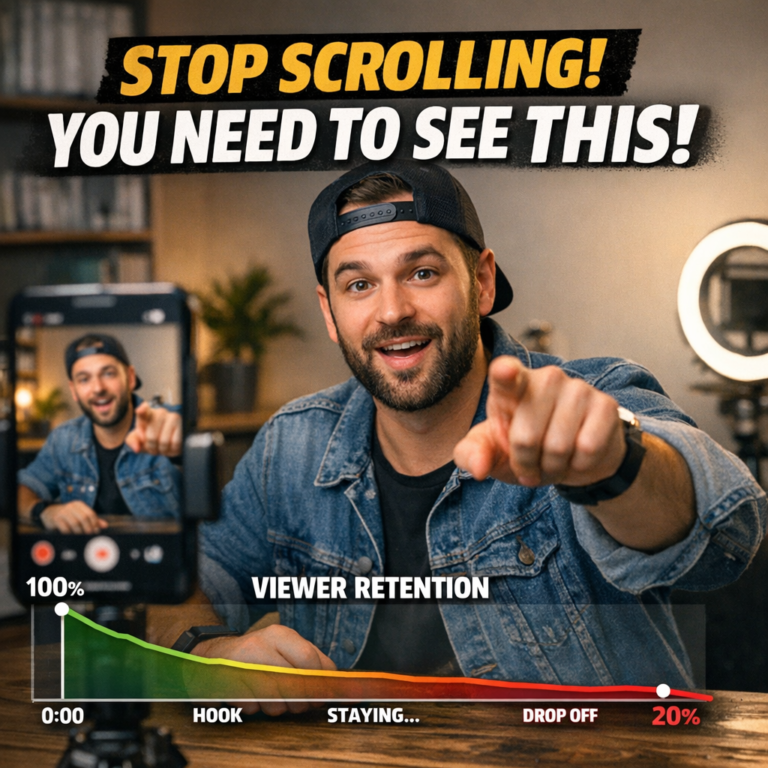
Here’s the myth I love busting: “My content is good, the algorithm just doesn’t like me.” Nah. The algorithm doesn’t have feelings. It has signals. If your retention rate dips early, distribution gets throttled. If your clip triggers replays, distribution expands. That’s it.
Retention problems usually come from one of these:
- Delayed value: you explain before you deliver.
- Low clarity: viewers can’t instantly tell what the video is about.
- Friction: dead air, long pauses, repetitive phrasing, messy visuals.
- No open loop: nothing pulls the brain to the next second.
If you want a fast refresher on hook mechanics, I’d start with my internal playbook on hooks that increase watch time fast (3-second openers). That page pairs perfectly with what we’re doing here because hooks are the entry fee to retention.
The First 2 Seconds: Win the Click, Then Win the Watch
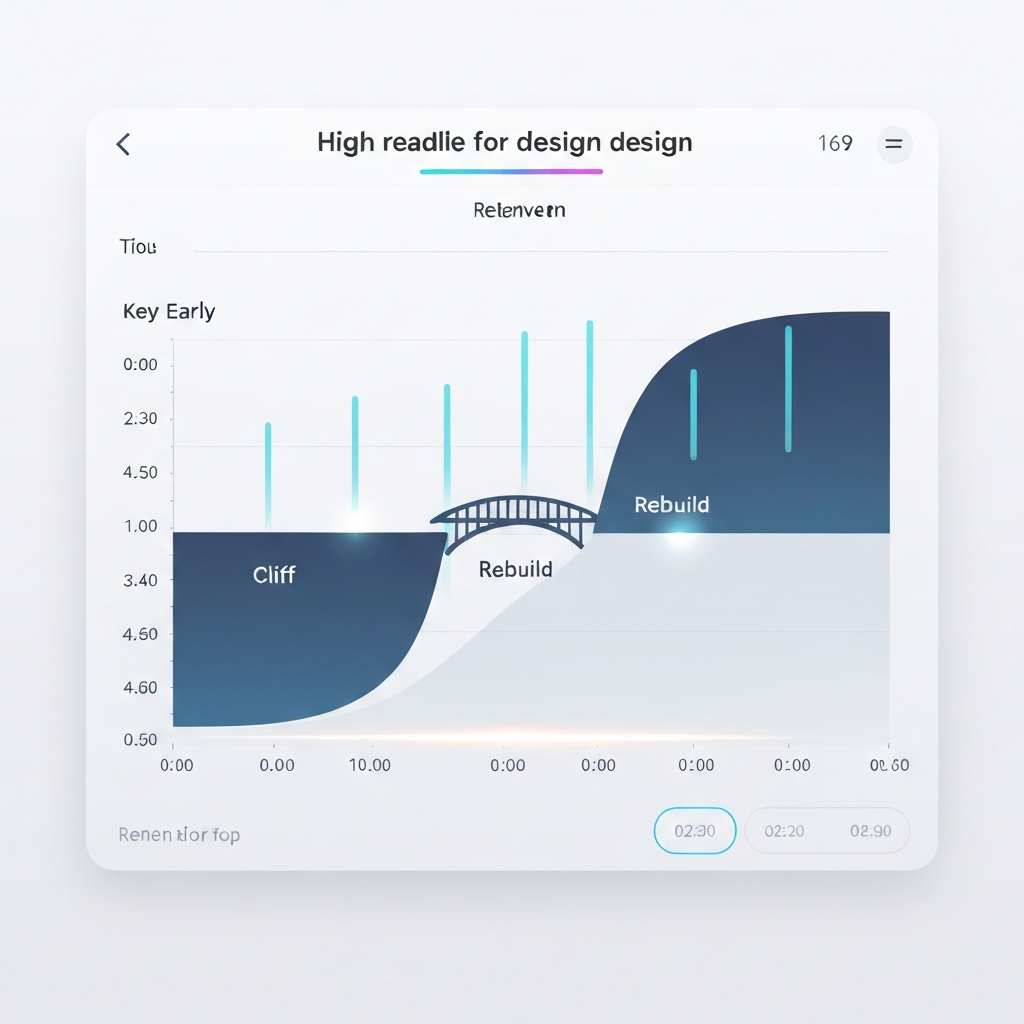
I’m going to be annoying for a second: your first 2 seconds matter more than your next 20. That’s not motivational poster stuff. It’s attention math. Humans filter aggressively online. If your opener feels like setup, you’re done.
My “2-Second Contract” rule
In the first 2 seconds, I make a contract with the viewer:
- What is this? (clarity)
- Why should I care? (stakes)
- What happens next? (momentum)
And no, a random “Wait for it…” isn’t a contract. That’s begging. IMO, the best openers are specific and slightly spicy: they make a claim, show a result, or call out a mistake the viewer probably makes. That instantly sets the brain to “verify.”
Use a visual before a verbal
If you can show the payoff in frame 1 (result, before/after, the punchline setup, the final output), your watch time increase becomes easier. You’re not selling curiosity—you’re delivering proof, then explaining it.
For creator-side standards and why platforms care about “viewer satisfaction,” Google’s own creator documentation is worth skimming, especially around metrics and retention logic (YouTube Help / Creator resources). :contentReference[oaicite:1]{index=1}
My Retention Editing System (No Fluff, Just Levers)
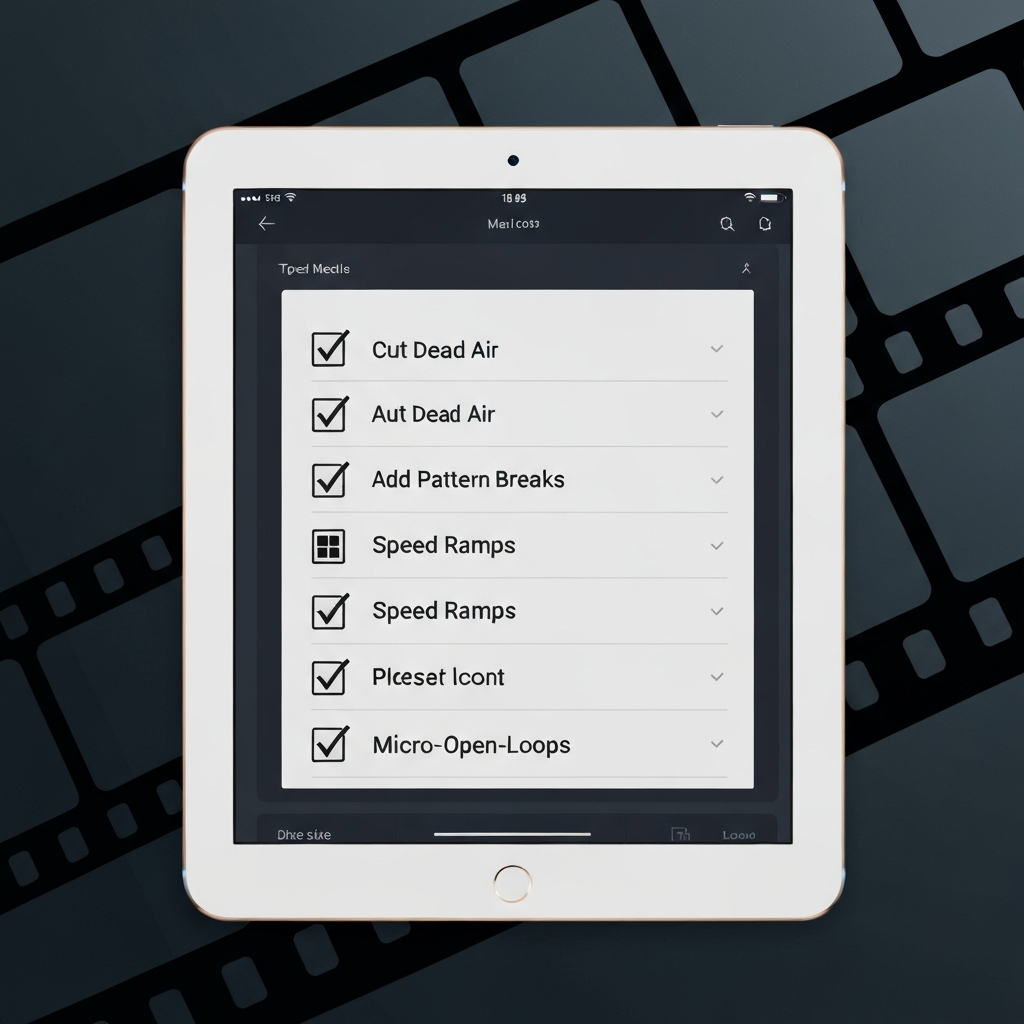
This is where most people lose money and blame “shadowbans.” Retention editing is a craft, not an afterthought. I use a simple checklist that works across niches—education, entertainment, reviews, even faceless clips.
1) Cut every “breath” that doesn’t earn its keep
Dead air kills short form retention. If your sentence still makes sense without the pause, delete it. If your point still lands without the extra word, cut it. You’re not writing a novel; you’re building a conveyor belt.
2) Change something on-screen every 0.5–1.5 seconds
It can be a zoom, a cut, a b-roll swap, a text beat, a gesture crop, a punch-in—anything. The goal is to prevent “visual fatigue.” The brain craves novelty. Give it novelty without chaos.
3) Build micro-open-loops every 3–5 seconds
People think loops are only endings. Wrong. I plant tiny “and here’s the twist” moments throughout:
- Tease: “In a second, I’ll show the one edit that stops the drop.”
- Contrast: “Most creators do X. I do the opposite.”
- Countdown: “Two fixes left—this one matters most.”
If you want more hook examples that don’t sound like a used-car ad, jump back to my 3-second opener breakdown. A good hook plus clean retention editing is basically a cheat code 🙂
4) Replace “explaining” with “progressing”
Here’s a sneaky retention killer: you keep talking while nothing changes. Viewers feel stuck. Instead, make the video move forward. Use steps, checkpoints, mini demos, or quick examples so the viewer senses momentum.
Average View Duration Tips That Actually Raise Watch Time
Let’s talk average view duration tips that don’t waste your time. You can’t “motivate” people to watch. You have to design for it.
Start mid-sentence (when it makes sense)
Cold opens work because they skip the handshake. If your first line is “Hey guys,” you just donated attention. Start on the value beat. Then, if you want personality, add it after you’ve earned it.
Make the viewer feel slightly behind
This sounds evil, but it’s effective: if viewers feel 5% behind, they pay attention to catch up. You do this with:
- Fast-but-clear pacing (not mumbling)
- Visual proof that forces a second look
- One “wait, what?” moment that gets resolved
Fix the “confusion spike”
When your retention graph drops at the same timestamp, you’ve created confusion. Common causes:
- A jargon phrase without context
- A cut that removes the why
- A visual that contradicts the words
- A payoff that arrives too late
My process: I rewatch that 1–2 second segment ten times and ask, “What would make a stranger bounce here?” Then I recut for clarity, not style.
Also: if you do affiliate or sponsored content, keep disclosures clean and compliant. The FTC’s advertising disclosure guidance is not optional if you want to run a real business. See the FTC’s guidance on endorsements, influencers, and reviews. :contentReference[oaicite:3]{index=3}
Loops, Rewatches, and the “Short Form Retention” Flywheel
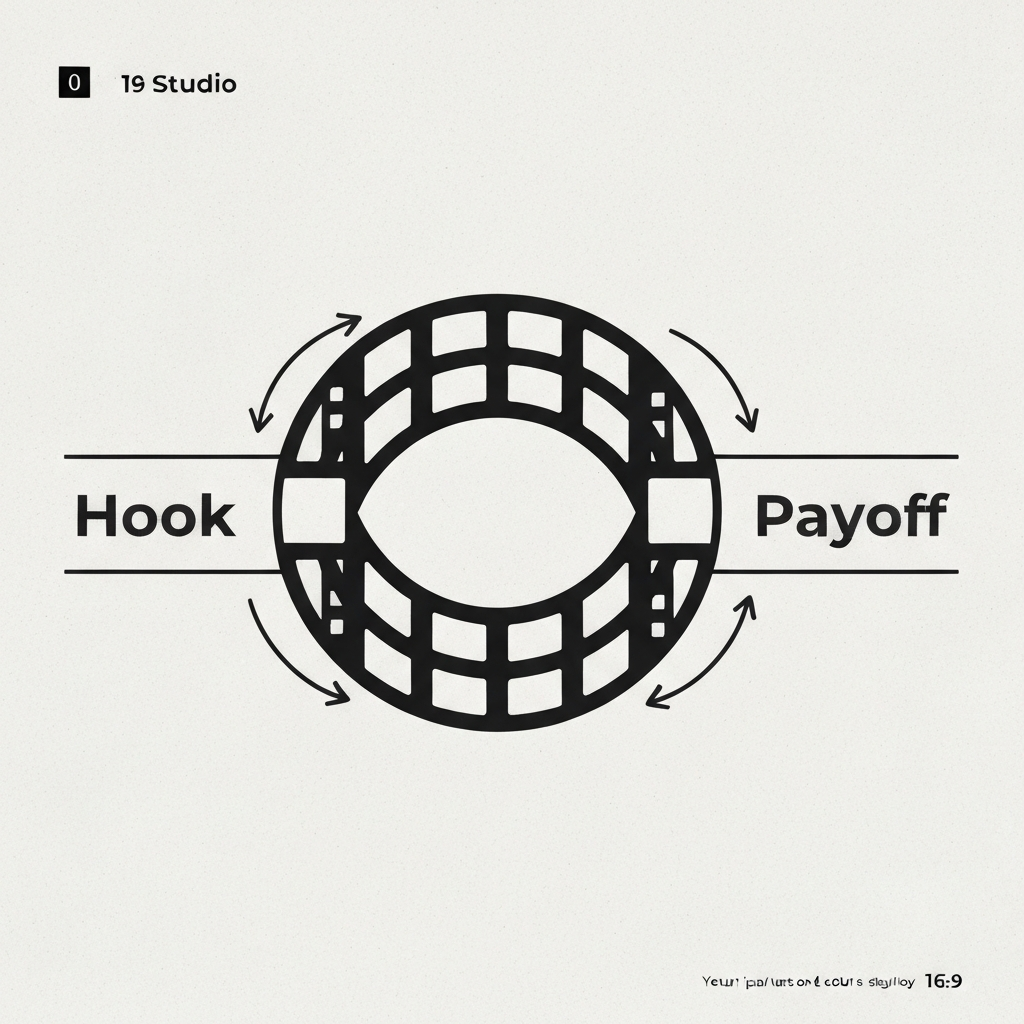
Here’s where creators accidentally print views: loops. A loop is when the ending naturally pushes the viewer back to the beginning. Platforms love it because it spikes watch time increase without needing a new viewer.
3 loop types I actually use
- Context loop: The ending reframes the opening, so viewers rewatch to “get it.”
- Visual match loop: End on a frame that visually matches the first frame.
- Unfinished beat loop: End with a micro-cliffhanger that resolves when it restarts.
Don’t overcomplicate this. Your job is to make the last second feel like it belongs to the first second. If the restart feels jarring, the loop dies.
One more internal nudge: if your hooks are weak, loops won’t save you. Fix the entry first with these hook patterns, then engineer the exit.
FAQ: Retention Rate, Watch Time, and Fixing Drop-Off
What’s a good retention rate for short videos?
A good retention rate is one that beats your baseline and earns distribution. Aim to reduce early drop-off and increase replays. Short videos that loop cleanly often punch above their weight because the same viewer generates more watch time.
How do I increase average view duration fast?
Cut setup, speed up the first 5 seconds, and add clear progression. Use retention editing to remove pauses and repetition, then add micro-open-loops so each segment creates a reason to stay.
Does editing matter more than the idea?
The idea gets attention; editing keeps it. The fastest watch time increase usually comes from pacing fixes, not from reinventing your niche. Start by recutting your top 5 videos and removing friction.
Why do viewers drop at the same moment every time?
That’s your “confusion spike.” Fix it by improving clarity at that timestamp: add a quick visual cue, rewrite the line, or move the payoff earlier. Treat that 1–2 second segment like it’s your headline.
What’s the best way to get loops and rewatches?
Connect the ending to the beginning with a visual match or a context reframe. If the last line makes the first line more interesting, viewers rewatch to catch what they missed.
My Top Recommended Gear
- Wireless lavalier mic kit (smartphone-friendly)
- Phone tripod + ring light combo
- Closed-back headphones for editing
Disclaimer: This post contains affiliate links. As an Amazon Associate and ClickBank Partner, I may earn a commission from qualifying purchases at no additional cost to you.
Amazon Disclaimer: As an Amazon Associate, I earn from qualifying purchases. This means if you click an Amazon link and buy something, I may receive a small commission at no additional cost to you.


One Comment
Comments are closed.