Your landing page message match is probably garbage—and it’s bleeding your ad budget dry. I’ve audited hundreds of campaigns where marketers obsess over audience targeting, bidding strategies, and creative variations while completely ignoring the disconnect between their ads and landing pages. Here’s the brutal truth: you can have the most sophisticated targeting on the planet, but if your visitor lands on a page that looks nothing like the ad they clicked, they’re bouncing faster than a rubber ball on concrete. I’ve seen CPAs drop by 40% simply by fixing this one issue.
Table of Contents
- What Is Landing Page Message Match?
- Why Ad-to-Page Alignment Makes or Breaks Campaigns
- Above The Fold Copy: The 3-Second Test
- Message Match Myths That Are Costing You Money
- The Complete Implementation Checklist
- Advanced Tactics: Dynamic Message Match
- Frequently Asked Questions
- My Top Recommended Gear
What Is Landing Page Message Match?
Landing page message match is the strategic alignment between your advertisement’s promise and your landing page’s delivery. When a user clicks your ad promising “50% Off Running Shoes,” they must immediately see that exact offer reflected in your headline, imagery, and above the fold copy. This congruence builds instant trust and dramatically reduces cognitive friction.
Think about it from your visitor’s perspective. They saw something interesting, made a micro-commitment by clicking, and now they’re scanning your page for confirmation they made the right choice. According to research from the Nielsen Norman Group, users typically leave web pages within 10-20 seconds unless they find clear value propositions. Your message match is that value proposition.
I can’t stress this enough: message match isn’t just about using the same words. It’s about creating a seamless psychological experience that feels like a natural continuation of the conversation your ad started.
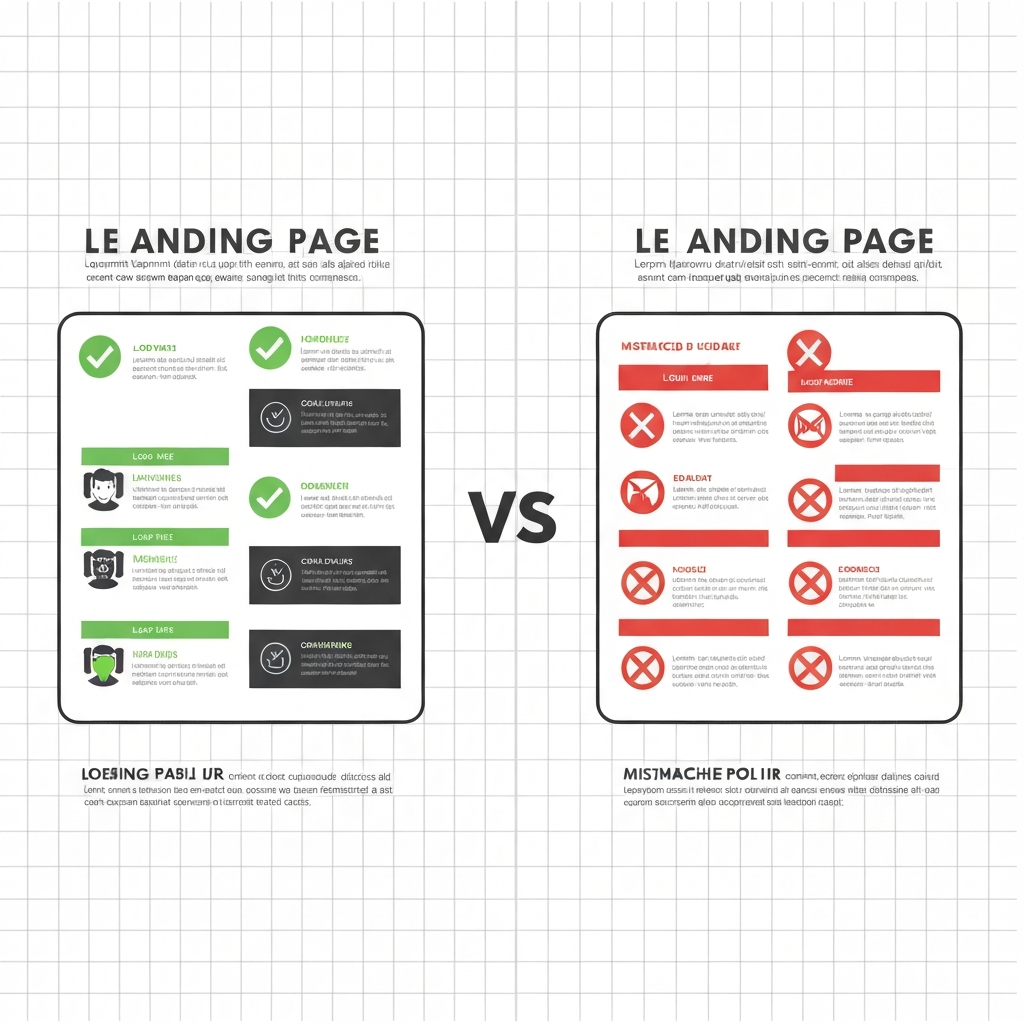
Why Ad-to-Page Alignment Makes or Breaks Campaigns
Here’s where things get real. Poor ad-to-page alignment doesn’t just hurt conversions—it actively punishes you in the auction. Both Google and Meta use landing page experience as a factor in their quality scores and relevance metrics. Translation? Misaligned pages cost you more per click AND convert worse. Double whammy.
I worked with an e-commerce client last year who couldn’t figure out why their CPA kept climbing despite “optimized” audiences. Took me about 30 seconds to spot the problem: their Facebook ads featured lifestyle imagery of people using their product, but the landing page was a generic product catalog. The disconnect was jarring.
When we fixed the alignment—same imagery, same headline structure, same emotional appeal—their conversion rate jumped 67% and we managed to reduce CPA by nearly half. No targeting changes. No budget adjustments. Just message match.
If you’re just getting started with paid campaigns, I strongly recommend checking out our Paid Ads Setup Rapid 7-Day Setup Sprint to build your foundation correctly from day one.
Above The Fold Copy: The 3-Second Test
Your above the fold copy carries roughly 80% of your message match responsibility. This is the real estate visitors see without scrolling, and it’s where the battle for their attention is won or lost. IMO, most marketers completely underestimate how critical these first few seconds really are.
Here’s my 3-Second Test framework:
- Headline Echo: Your page headline should mirror your ad’s primary promise (not copy-paste, but thematically identical)
- Visual Continuity: Use the same hero image or a clearly related visual from your ad
- Offer Confirmation: If your ad mentioned a specific discount, bonus, or benefit, it needs to be visible immediately
- Color Psychology: Maintain consistent brand colors to create subconscious recognition
The UK Government Digital Service has extensively documented how consistency in user journeys improves completion rates across digital services. The same principles apply to commercial landing pages.
Message Match Myths That Are Costing You Money
Let me bust some myths that I see repeated across marketing forums and “guru” courses:
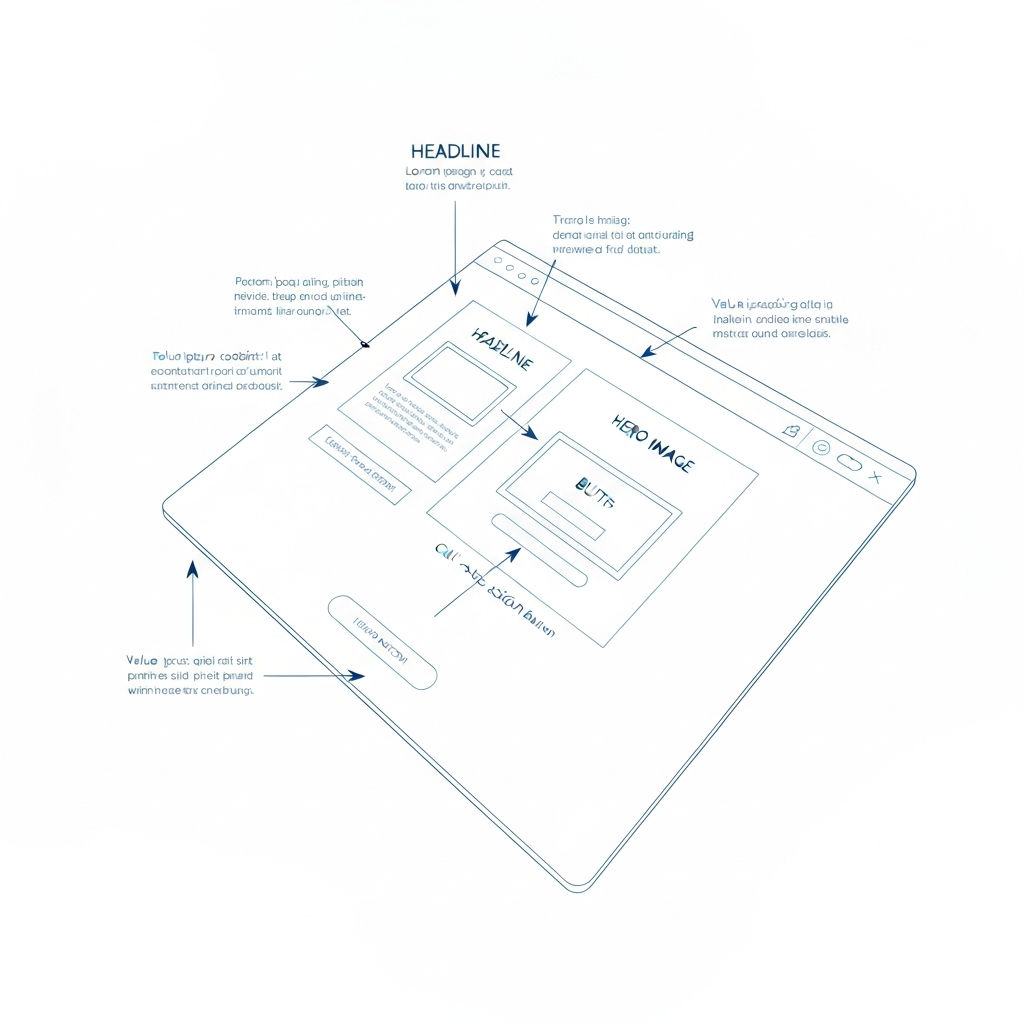
Myth #1: “One landing page can serve all ad variations.” Nope. If you’re running five different ad angles, you need five different landing pages—or at minimum, dynamic text replacement. One-size-fits-all is a conversion killer.
Myth #2: “Message match only matters for the headline.” Wrong again. Your CTA button text, form labels, trust badges, and even your testimonials should align with the specific promise your ad made. Everything counts.
Myth #3: “This only applies to direct response campaigns.” I’ve seen message match principles improve conversion rate across lead gen, e-commerce, SaaS trials, and even content marketing campaigns. The psychology is universal.
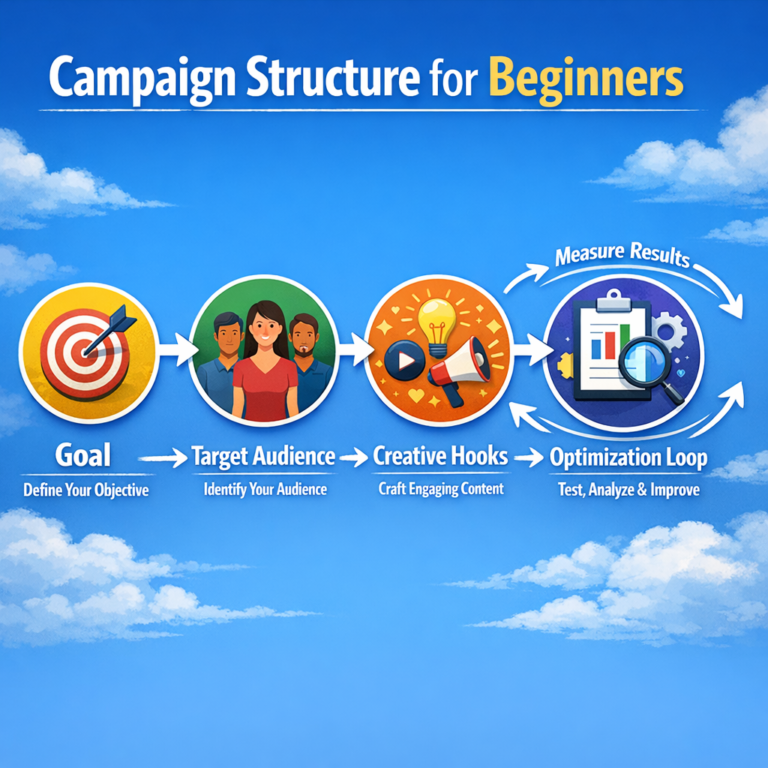
Understanding proper campaign structure for beginners helps you organize your ads and landing pages in a way that makes message match much easier to maintain.
🔥 Pro Recommendation: Funnel Scripts
After years of testing, I’ve found that the biggest barrier to message match isn’t knowledge—it’s execution. Writing consistent, compelling copy across ads and landing pages is time-intensive. That’s why I recommend Funnel Scripts, a ClickBank product that generates conversion-focused copy for both your ads and landing pages, ensuring natural alignment.
It’s particularly useful for creating multiple ad-to-page combinations without starting from scratch each time.
The Complete Implementation Checklist
Here’s the exact checklist I use when auditing campaigns for message match issues:
- ☐ Ad headline theme matches landing page H1
- ☐ Primary offer/discount is visible above the fold
- ☐ Hero image matches or extends ad creative
- ☐ Brand colors are consistent across ad and page
- ☐ CTA button text reflects the ad’s call-to-action
- ☐ Specific claims (numbers, percentages, timeframes) are identical
- ☐ Tone and voice match between ad and page copy
- ☐ Mobile experience maintains the same alignment
- ☐ Form fields match expectations set in the ad
- ☐ Exit-intent messaging reinforces original promise
Run through this list for every ad-to-page combination in your account. You’ll likely find issues you never noticed before 🙂
Advanced Tactics: Dynamic Message Match
Ready to level up? Dynamic text replacement (DTR) lets you automatically swap landing page elements based on the ad or keyword that triggered the visit. This is where serious operators separate themselves from the amateurs.
Tools like Unbounce, Instapage, and even custom JavaScript solutions can pull UTM parameters and display customized headlines, CTAs, and images. According to Wikipedia’s coverage of conversion rate optimization, personalization is one of the most effective tactics for improving conversion rates.

For retargeting campaigns, message match becomes even more nuanced. You need to acknowledge where visitors are in their journey. Check out our guide on beginner retargeting setup with 7-14-30 day windows to understand how timing affects your messaging strategy.
Pro tip: segment your retargeting by specific pages visited, then craft landing pages that reference that behavior. “Still thinking about those running shoes?” performs dramatically better than generic “Come back!” messaging.
Frequently Asked Questions
What is landing page message match?
Landing page message match is the alignment between your ad copy and your landing page content. When users click an ad, they expect to see the same offer, language, and visual elements reflected on the page they land on. Strong message match reduces bounce rates and increases conversions.
How does message match reduce CPA?
Message match reduces CPA by decreasing bounce rates and increasing conversion rates. When visitors see exactly what they expected from your ad, they stay longer and convert more often. This improved performance signals to ad platforms that your ads are relevant, potentially lowering your costs.
What elements should match between ads and landing pages?
Key elements that should match include headlines, value propositions, offers, imagery, brand colors, call-to-action language, and specific numbers or claims mentioned in the ad. The overall tone and emotional appeal should also remain consistent.
How important is above the fold copy for message match?
Above the fold copy is critical for message match because visitors make snap judgments within 3-5 seconds. Your headline and primary message must immediately confirm they’re in the right place, or they’ll bounce before ever seeing your full offer.
Can I use one landing page for multiple ad variations?
While possible, it’s not ideal. Each ad variation sets specific expectations. Using dynamic text replacement or creating dedicated pages for each major ad theme will significantly improve your conversion rates and overall campaign performance.
My Top Recommended Gear
Here are the tools I personally use to nail message match in every campaign:
- Landing Page Builder Software: Landing Page Design Books & Resources – Build your foundation with proven design principles
- Conversion Optimization Tools: A/B Testing Guides – Master the art of testing your message match variations
- Copywriting Resources: Copywriting Handbooks – Learn to write consistent, compelling copy across all touchpoints
Disclaimer: This post contains affiliate links. As an Amazon Associate and ClickBank Partner, I may earn a commission from qualifying purchases at no additional cost to you.