

Ever noticed how that pair of shoes you clicked on once follows you around the internet like a lovesick puppy? That’s retargeting—and it’s not just annoying, it’s *effective*. If you’re not using it, you’re leaving money on the table. Period.
Retargeting isn’t magic, though. Most beginners screw it up by blasting the same ad to everyone forever. Newsflash: People forget your brand after 7 days. Their interest fades by day 14. By day 30? They’ve moved on to the next shiny thing. The trick? Time windows. Here’s how to nail them.
1. Why Time Windows Matter (And Why Most Marketers Ignore Them)

Retargeting isn’t a one-size-fits-all spam fest. Timing is everything—like texting your ex three months later versus three hours later. One gets a reply. The other gets blocked.
The 7-Day Window: Strike While the Iron’s Hot
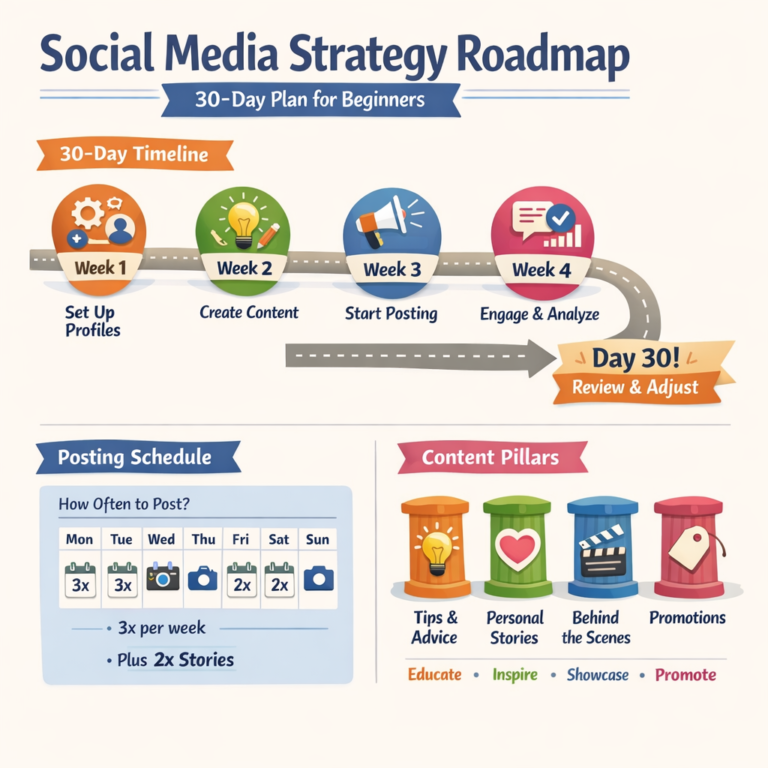
People who interacted with your brand in the last week are still warm. They remember you. Hit them with urgency: limited-time offers, social proof, or a reminder of what they almost bought. FYI, this is prime real estate for conversions.
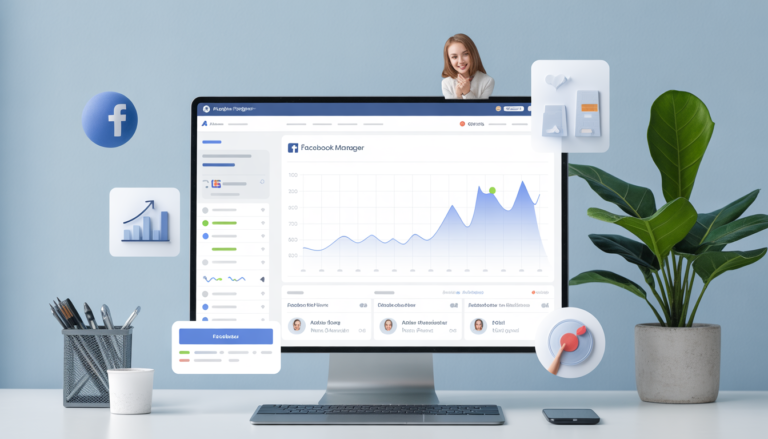
Tools like Facebook’s Pixel or Google Ads’ remarketing lists make this easy. Set up a custom audience for users who visited but didn’t convert in the last 7 days. Boom—you’re already ahead of 90% of amateurs.
The 14-Day Window: The Gentle Nudge
By now, their interest is cooling. You’re not top of mind anymore. Time for a softer approach—educational content, testimonials, or a “we miss you” discount. IMO, this is where storytelling shines. Remind them why they cared in the first place.
Pro tip: Use dynamic ads to show the exact product they eyed. Amazon’s retargeting does this brilliantly (and annoyingly). Want to DIY? Try a tool like AdRoll (AdRoll).
2. The 30-Day Window: Last Chance Saloon
If they haven’t bitten by now, they’re either not interested or forgot you exist. But don’t write them off yet—this is where you separate the pros from the hacks.
The “Breakup” Ad
Go bold. Use humor or FOMO: “Last chance before we give your discount to someone else.” Or get emotional: “We noticed you left something behind…” It’s cheesy, but it works. You’re one click away from missing out
The Cold Traffic Reset
After 30 days, move them to a “cold” audience and start fresh with a top-of-funnel ad. Or better yet, exclude them entirely. Don’t waste budget on zombies.
3. Setting Up Your Campaigns (Without Losing Your Mind)
Retargeting doesn’t require a PhD, but it does need strategy. Here’s how to avoid the common dumpster fires.
Platform Pick: Facebook vs. Google
Facebook’s great for visual products (looking at you, Shopify dropshippers). Google’s better for intent-heavy searches (like SaaS or consulting). IMO, start with Facebook—it’s cheaper and easier to tweak.
Budget Allocation: The 70/20/10 Rule
Spend 70% on 7-day windows (highest intent), 20% on 14-day, and 10% on 30-day. Adjust as you go, but this keeps you from blowing cash on dead leads.
4. Creative That Doesn’t Suck
Your ad creative can’t look like a 2005 Geocities page. Here’s what converts.
Video Ads: The Unfair Advantage
Short, punchy videos outperform static ads every time. Use tools like Canva or InVideo to slap something together. No Spielberg skills needed.
Carousel Ads for the Win
Show multiple products or angles in one ad. Perfect for e-commerce. Need inspiration? Check out Facebook’s ad examples.
5. Tools to Make Your Life Easier

Because manually tracking windows is torture.
Amazon Product: Retargeting Pixel Setup Guide
Grab Facebook Ads for Dummies if you’re starting from zero. It’s outdated in spots, but the basics are solid.
Amazon Product: Analytics Made Simple
Google Analytics Breakthrough helps you track retargeting performance without wanting to stab your eyes out.
6. Common Mistakes (And How to Fix Them)
Don’t be *that* guy.
Ad Fatigue: The Silent Killer
Rotate creatives every 2 weeks. No one wants to see the same ad 50 times—unless you’re Peloton, and even they’re pushing it.
Ignoring Frequency Caps
Set a cap at 3-5 impressions per user per week. More than that, and you’re just begging for ad blockers.
7. Measuring Success (Beyond Vanity Metrics)
Clicks don’t pay the bills. Here’s what to track.
ROAS: The Only Metric That Matters
Aim for a 4:1 return on ad spend. If you’re below 2:1, kill the campaign and rethink your approach.
View-Through Conversions
People might not click but still convert later. Track this in Google Analytics or Facebook’s Attribution tool.
FAQ: Retargeting Without the BS
How often should I tweak my retargeting ads?
Every 2-3 weeks. Test one variable at a time—copy, image, or CTA. Don’t overhaul everything at once unless you enjoy chaos.
Should I retarget everyone or just cart abandoners?
Start with cart abandoners (highest intent), then expand to product viewers. Don’t bother with homepage visitors unless you’ve got budget to burn.
What’s the ideal audience size?
At least 1,000 people per ad set. Smaller than that, and your targeting’s too narrow. Larger than 50,000, and you’re probably being lazy.
Can I retarget on a shoestring budget?
Yes. Start with $5/day per audience segment. Scale what works. Just don’t expect Lambo money from Ramen budgets.
How do I avoid looking like a creep?
Use humor or value-driven ads. No one likes feeling stalked—even if they *did* leave socks in their cart.
What’s the biggest waste of time in retargeting?
Chasing 30-day window users with the same offer. If they didn’t bite in week 1, they won’t now—unless you pivot hard.
Final Thought: Retargeting Is a Grind, Not a Silver Bullet
Retargeting won’t fix a broken funnel or a crap product. But if you’ve got something worth selling and a halfway decent offer, it’s the closest thing to printing money online. Just don’t set it and forget it—unless you enjoy burning cash.

One Comment
Comments are closed.