
Your hook library system is broken—or worse, you don’t have one at all. I watch creators spend hours crafting “perfect” content, only to watch it die in the algorithmic graveyard because their opening three seconds fell completely flat. The frustration is real: you know your content delivers value, but nobody sticks around long enough to discover it. Here’s the uncomfortable truth I learned after a decade in content strategy—your hook determines 80% of your video’s success before viewers even see your actual content.
I’m going to show you exactly how I build hook libraries for clients generating millions of monthly views. No theory. No fluff. Just the system that works.
Table of Contents
- What Exactly Is a Hook Library System?
- Why Most Creators Fail at Short Form Hooks
- Building Your Hook Library: The 4-Category Framework
- 7 Viral Hook Formulas That Actually Convert
- Creating Scroll Stopping Hooks: Advanced Tactics
- Organizing and Scaling Your Library
- Frequently Asked Questions
- My Top Recommended Gear
What Exactly Is a Hook Library System?
A hook library system is a categorized database of proven opening lines, patterns, and psychological triggers that grab attention within 1-3 seconds. Creators reference this organized collection to quickly craft compelling openers for any content type, eliminating the guesswork from viral content creation.
Think of it like a chef’s spice rack. A home cook opens random cabinets hoping to find flavor. A professional chef has every ingredient labeled, organized, and within arm’s reach. My hook library contains over 400 categorized entries, and I pull from it every single time I create content or advise clients.
The concept draws from established persuasion psychology principles that researchers have studied for decades. We’re not reinventing the wheel here—we’re systematizing what already works about human attention and applying it to modern platforms.
Most creators I consult treat hooks as an afterthought. They write content first, then slap something “catchy” at the beginning. That’s backwards. Your hook library should inform your entire content strategy, which I break down in my advanced social media growth systems guide.
Why Most Creators Fail at Short Form Hooks
Here’s a myth I need to bust immediately: good hooks aren’t about being “creative.” They’re about pattern recognition and psychological triggers. I’ve seen incredibly creative hooks bomb while “boring” formula-based hooks generate millions of views.
Short form hooks fail for three predictable reasons:
- Too much context upfront: Viewers don’t need background—they need intrigue
- Weak emotional triggers: Logic doesn’t stop thumbs; emotion does
- Generic openings: “Hey guys” and “So today” are instant scroll triggers
According to recent media research from Nieman Lab, attention windows have compressed dramatically. You’re not competing with other creators anymore—you’re competing with every dopamine hit a user can access in their pocket.
The creators winning right now understand something fundamental: the algorithm rewards retention, and retention starts with the hook. Period. IMO, this is the single most overlooked skill in content creation today.
Building Your Hook Library: The 4-Category Framework
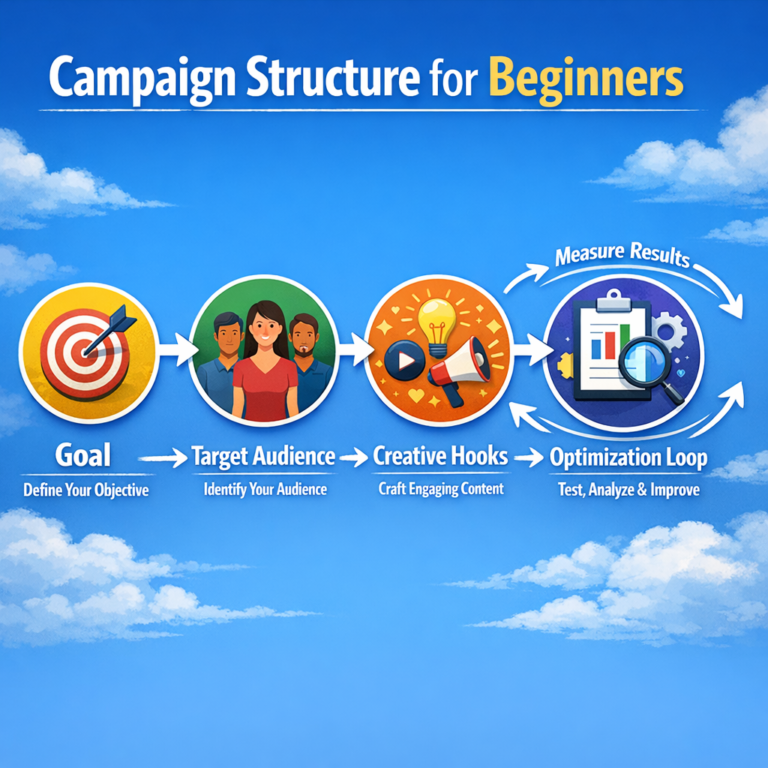
I organize every hook library system into four core categories. This framework took me years to refine, and it’s the same structure I use for clients ranging from solo creators to media companies.
Category 1: Curiosity Hooks
These create open loops that the brain desperately wants to close. Examples: “Nobody talks about this, but…” or “I was today years old when I learned…”
Category 2: Contrarian Hooks
Challenge conventional wisdom to trigger engagement. Examples: “Everything you know about X is wrong” or “Stop doing X immediately.”
Category 3: Story Hooks
Human brains crave narrative. Lead with conflict or transformation. Examples: “I lost $50,000 before I figured this out” or “3 years ago I couldn’t even…”
Category 4: Value Hooks
Promise specific, tangible outcomes. Examples: “This one trick saves me 10 hours weekly” or “The exact template that got me…”
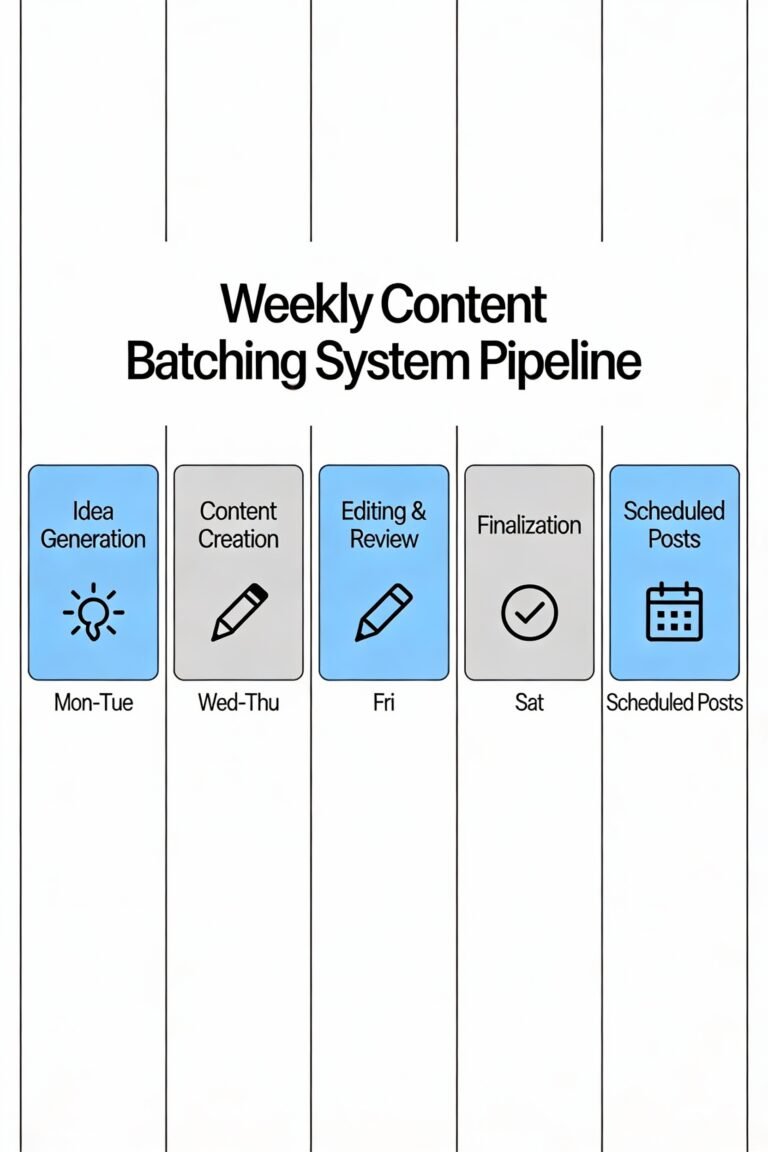
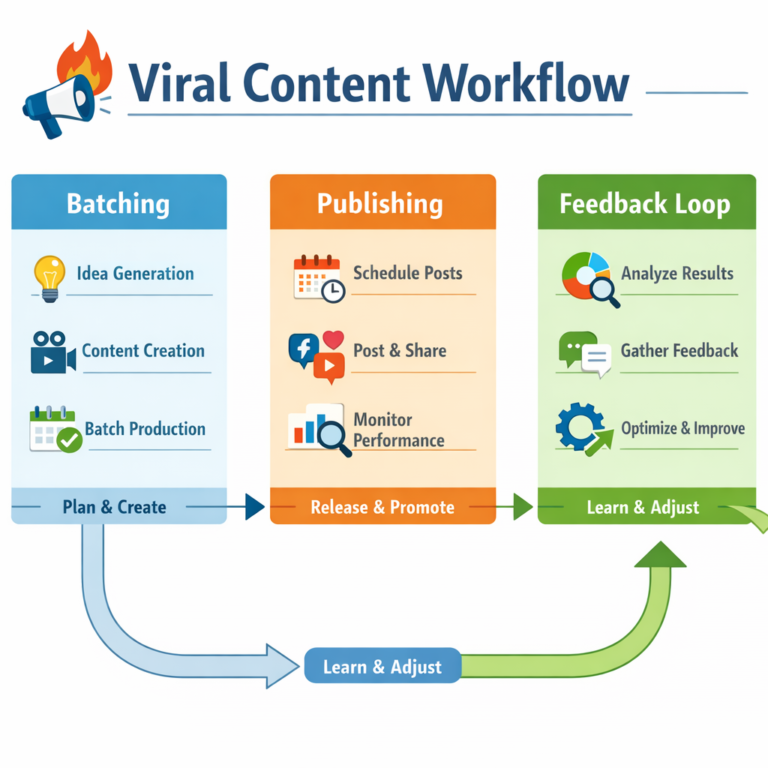
Each category serves different content goals. I rotate between them strategically, which connects directly to the batching approach I outline in my content batching system breakdown. When you systematize your hooks alongside your content production, magic happens.
🚀 Pro Recommendation: Upgrade Your Content Game
If you’re serious about building a content empire, I recommend checking out Tube Mastery and Monetization by Matt Par. It’s one of the most comprehensive programs for understanding how hooks, content structure, and monetization work together. The strategies complement everything I’m teaching here about hook systems.
7 Viral Hook Formulas That Actually Convert
I’ve tested hundreds of viral hook formulas across platforms. These seven consistently outperform everything else in my clients’ analytics:
- The “POV” Hook: “POV: You just discovered [specific scenario]” — Works because it creates immediate mental simulation
- The “Mistake” Hook: “I made this mistake for 5 years before…” — Leverages loss aversion psychology
- The “Secret” Hook: “The industry doesn’t want you to know this” — Triggers both curiosity and anti-authority sentiment
- The “List Shock” Hook: “3 things that [unexpected outcome]” — Specific numbers signal digestible value
- The “Bet” Hook: “I bet you didn’t know…” — Creates a micro-challenge the viewer wants to win
- The “Don’t” Hook: “Don’t do X until you see this” — Combines urgency with protective instinct
- The “What If” Hook: “What if I told you [paradigm shift]” — Classic reframe that opens minds
Research from the American Psychological Association shows that emotional arousal significantly impacts content sharing behavior. Every formula above targets a specific emotional trigger—curiosity, fear, pride, or surprise.
Here’s my insider tip: don’t just copy these formulas. Adapt them to your specific voice and niche. A finance creator uses “I lost $50,000” differently than a fitness creator uses “I wasted 5 years training wrong.” Same formula, different context, equally powerful.
Creating Scroll Stopping Hooks: Advanced Tactics
Basic hook formulas get you to average. Scroll stopping hooks require layering multiple psychological triggers simultaneously. Let me show you what I mean.
A basic hook: “Here’s how to grow on TikTok”
A scroll stopping hook: “I was banned 3 times before discovering the one strategy TikTok’s algorithm actually rewards—and nobody’s talking about it”
The second version combines: personal story + specificity + curiosity gap + contrarian angle + exclusivity. That’s five triggers in one hook. This is the difference between creators stuck at 10K followers and those hitting millions.
The Audio-Visual Stack
Words alone don’t stop scrolls. Your hook needs visual and audio amplification:
- Open with movement or unexpected visuals
- Match vocal energy to the hook’s emotional intent
- Use pattern interrupts in the first second (loud sound, visual glitch, direct eye contact)
- Caption your hook for sound-off viewers
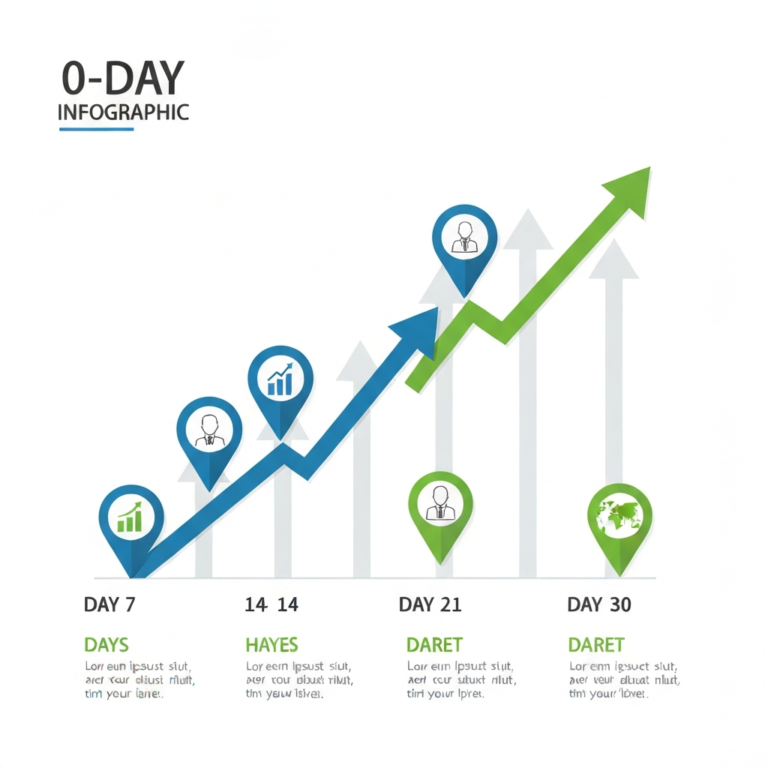
For a complete system on implementing these tactics at scale, check my 30-day rapid growth plan. It shows exactly how hook optimization fits into a larger growth timeline.
Organizing and Scaling Your Library
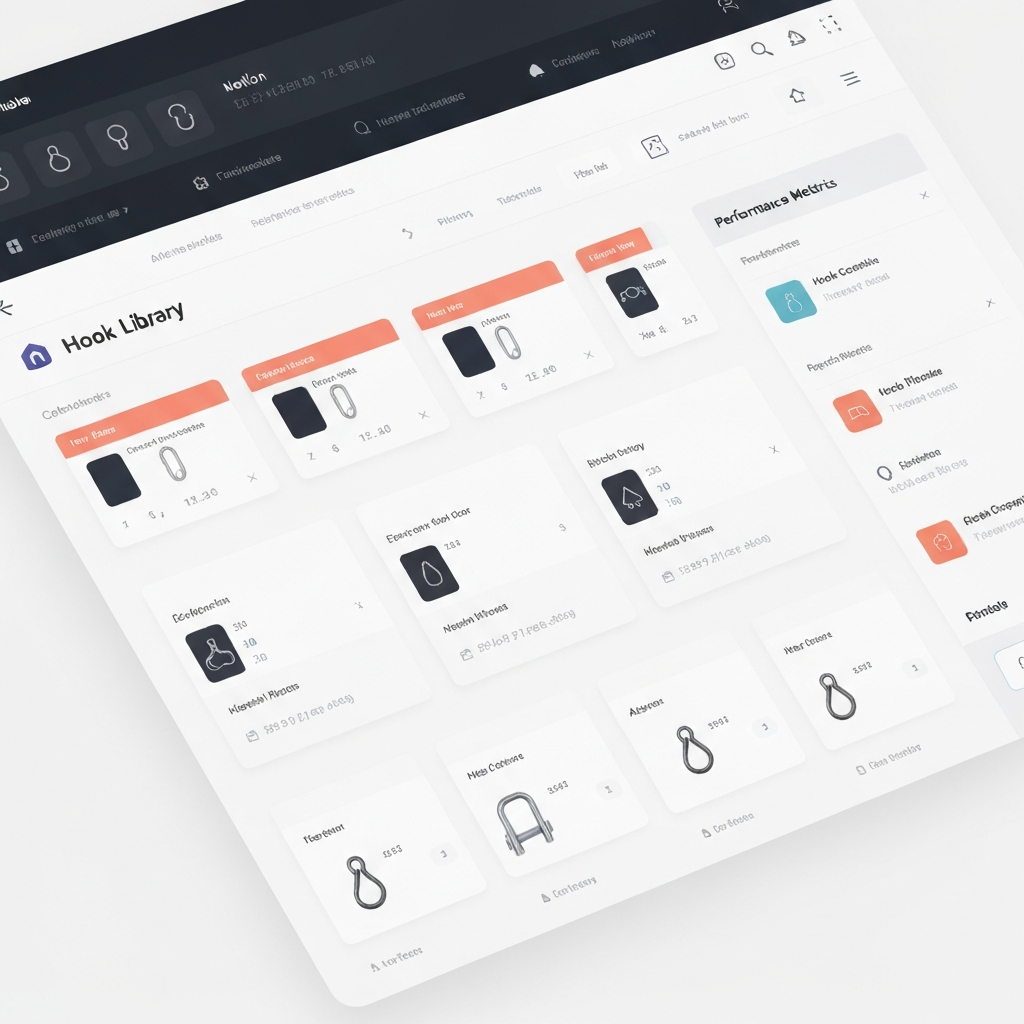
Your hook library is worthless if you can’t access and deploy hooks quickly. Here’s my exact organization system 🙂
The Tagging System
Every hook in my library has these tags:
- Category: Curiosity, Contrarian, Story, or Value
- Emotion: Fear, Excitement, Anger, Surprise, FOMO
- Platform: TikTok, Reels, Shorts, or Universal
- Niche: Specific vertical (business, fitness, lifestyle, etc.)
- Performance: Tested/Untested and engagement rating
The Collection Process
I add 5-10 new hooks weekly using this process:
- Screenshot hooks from viral content in my niche
- Deconstruct what makes them work
- Abstract the formula from the specific example
- Add to library with appropriate tags
- Test within my next content batch
Tools I use: Notion for database management, digital literacy frameworks for teaching teams, and simple spreadsheets for clients who prefer simplicity.
The goal isn’t just collecting hooks—it’s building a living system that evolves with platform changes and audience preferences. Review your library monthly. Kill what’s not working. Double down on what is.
Frequently Asked Questions
What is a hook library system?
A hook library system is an organized collection of proven opening lines, patterns, and formulas that consistently grab attention in the first 1-3 seconds of content. It serves as a reference database creators use to quickly craft scroll stopping hooks for videos, posts, and ads. Think of it as your personal playbook for capturing attention on demand.
How many hooks should I have in my library?
Start with 50-75 categorized hooks minimum. Serious creators maintain libraries of 200+ hooks across different emotional triggers, content types, and platforms. Quality matters more than quantity—focus on proven performers first, then expand as you test and learn what resonates with your specific audience.
How often should I update my hook library?
Review and update your hook library weekly. Add new viral hook formulas you discover, remove hooks that stop performing, and analyze which categories drive the best engagement for your specific audience. Platform trends shift constantly, so your library needs to evolve.
Can I use the same hooks across different platforms?
Yes, but adapt them. A hook that works on TikTok may need tweaking for YouTube Shorts or Instagram Reels. The core psychological trigger remains the same, but pacing, length, and delivery style should match platform norms. Test each adaptation—never assume cross-platform performance.
My Top Recommended Gear
Building a professional hook library system requires the right tools. Here’s what I actually use and recommend:
- Ring Light with Tripod Stand: Essential for consistent lighting when recording hook tests and variations. Good lighting makes scroll-stopping hooks even more effective.
View on Amazon → - Wireless Lavalier Microphone: Clear audio delivery is half the hook battle. Invest in quality sound capture for every piece of content you create.
View on Amazon → - Portable Teleprompter for Smartphone: Delivers hooks with perfect timing and eye contact. A game-changer for consistent hook execution at scale.
View on Amazon →
Disclaimer: This post contains affiliate links. As an Amazon Associate and ClickBank Partner, I may earn a commission from qualifying purchases at no additional cost to you.

One Comment
Comments are closed.