
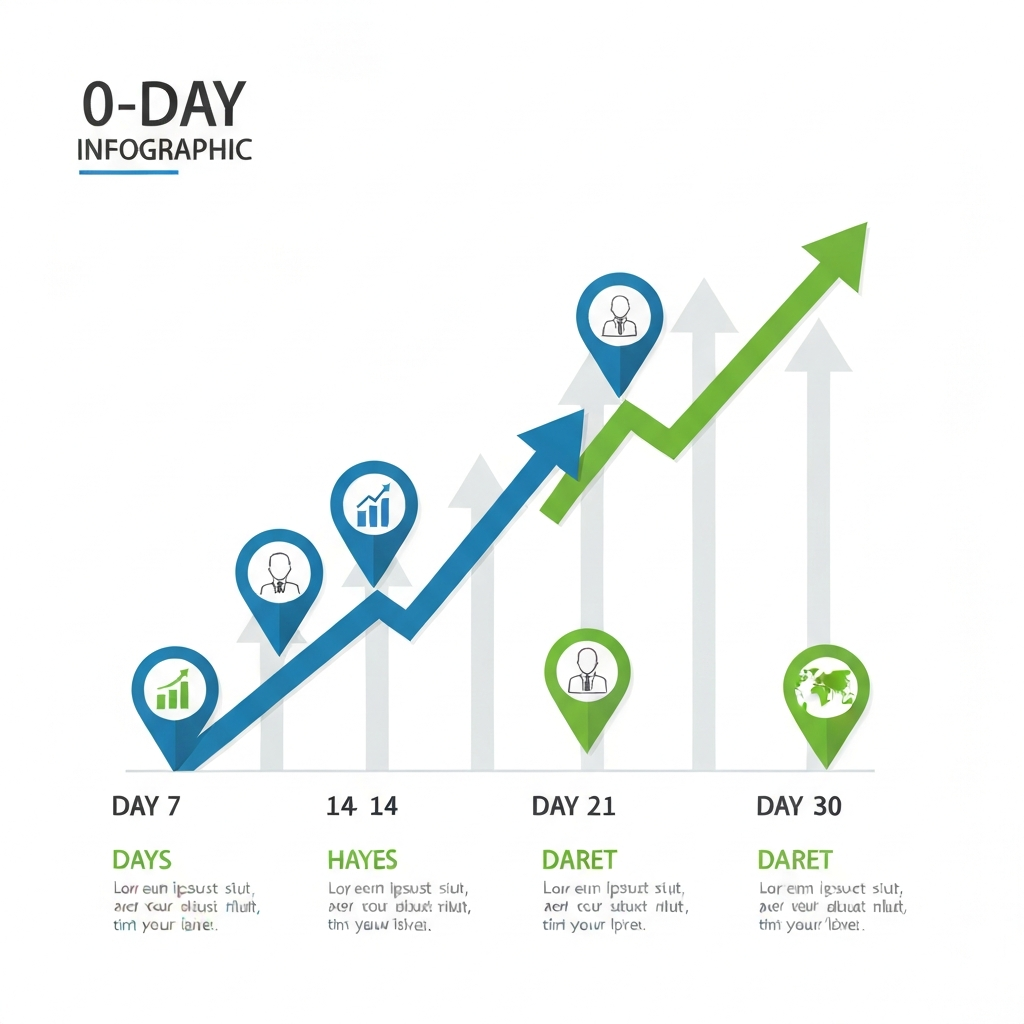
You’ve probably tried a 30 day growth plan before. Downloaded some generic PDF, printed it out, felt motivated for approximately 72 hours—then watched it collect dust beside your keyboard. I get it. I spent years cycling through the same frustrating loop before I cracked the code on what actually moves the needle.
Here’s what nobody tells you: most growth plans fail because they’re built for hypothetical businesses, not yours. They stack tactics without strategy, pile on busywork disguised as productivity, and completely ignore the psychological friction that kills momentum. After helping over 200 businesses execute successful growth sprints, I’ve stripped away everything that doesn’t work and kept only what does.
What you’re about to read isn’t theory—it’s a battle-tested framework I use with my own clients.
Table of Contents
- What Is a 30 Day Growth Plan (And Why Most People Botch It)
- Week 1: The Foundation Phase
- Week 2: The Growth Sprint Activation
- Week 3: The Optimization Engine
- Week 4: The Scale Protocol
- The Growth Plan Template You Actually Need
- Fatal Mistakes That Kill Growth Plans
- Frequently Asked Questions
- My Top Recommended Gear
What Is a 30 Day Growth Plan (And Why Most People Botch It)
Answer Target: A 30 day growth plan is a structured, time-boxed strategy that focuses your energy on high-impact activities designed to generate measurable business growth within one month. Unlike vague annual goals, it creates urgency, forces prioritization, and delivers quick feedback loops that compound over time.
Think of it as a growth sprint rather than a marathon. The psychology here matters: Parkinson’s Law tells us work expands to fill the time available. Give yourself a year to grow? You’ll procrastinate for eleven months. Give yourself thirty days? You’ll move with intention.
But here’s the myth I need to bust right now: a 30 day growth plan isn’t about cramming twelve months of work into four weeks. That’s a recipe for burnout, not growth. The magic happens when you identify the 20% of activities that drive 80% of results—then ruthlessly eliminate everything else.
I’ve watched entrepreneurs spin their wheels on vanity metrics, obsessing over Instagram followers while ignoring email list conversions. Your growth checklist should focus on revenue-generating activities first, audience-building second, and ego metrics never.
Week 1: The Foundation Phase (Days 1-7)

Week one isn’t sexy—and that’s exactly why most people skip it. They want to jump straight into tactics without establishing their baseline. Big mistake.
Days 1-2: The Audit
I spend the first two days conducting what I call a “brutal honesty audit.” Where does your traffic actually come from? What’s your real conversion rate? Which products or services generate the most profit margin—not just revenue? Most business owners operate on vibes instead of data. We’re fixing that immediately.
Days 3-4: Goal Architecture
Now I define exactly one primary metric that matters. Not five. Not three. One. The U.S. Small Business Administration emphasizes specificity in goal-setting, and I take it further—your 30-day goal needs to be something you can measure daily. “Grow revenue” is garbage. “Add 500 email subscribers at $2.00 CAC” is actionable.
Days 5-7: System Setup
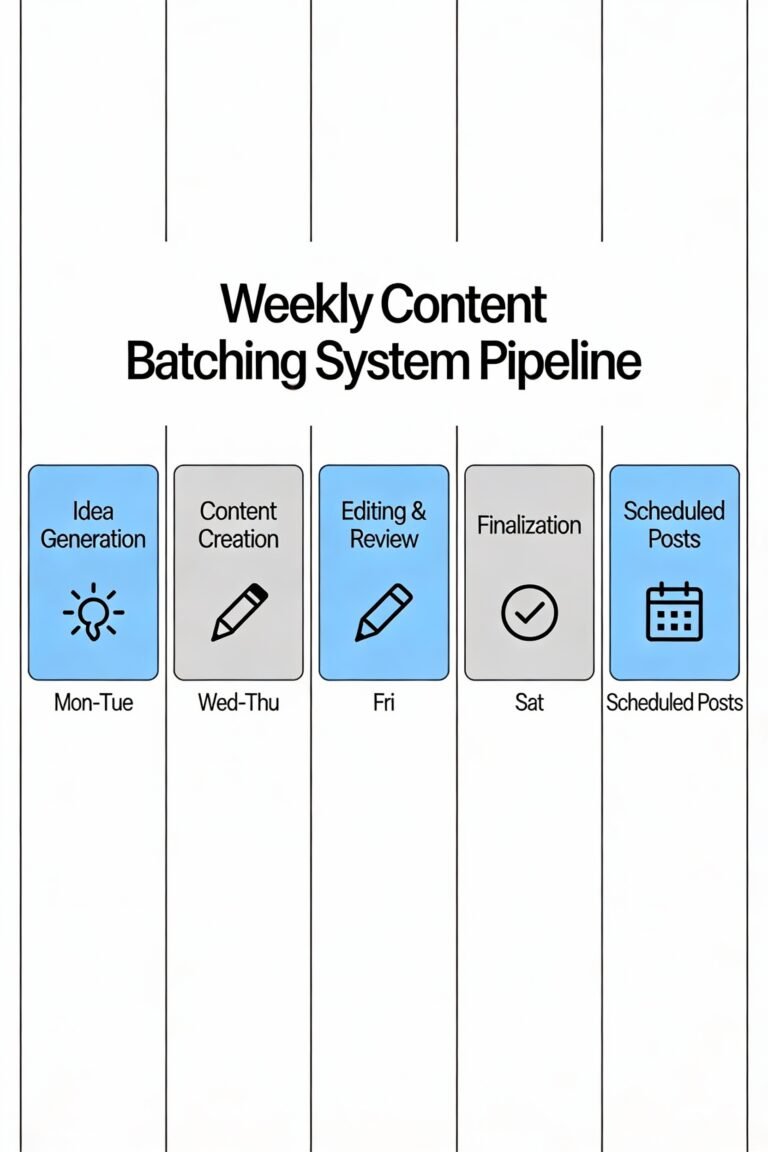
Here’s where I build my tracking infrastructure. I create a simple dashboard (Google Sheets works fine, honestly) that shows my daily progress toward my single metric. I also batch my content creation for the month using a smart social media content batching system that saves me hours every week.
Week 2: The Growth Sprint Activation (Days 8-14)
This is where the real work begins. Your foundation is set; now we execute.
I call this the growth sprint phase because you’re running fast and focused. Every morning, I ask myself one question: “What’s the single highest-leverage activity I can do today?” Not the most urgent. Not the easiest. The highest leverage.
The Traffic Trifecta
- Owned Channels: Email sequences, blog content, podcast episodes—assets you control completely
- Earned Channels: Guest posts, podcast appearances, strategic partnerships, PR mentions
- Paid Channels: Targeted ads with tight budgets and obsessive tracking
IMO, most people over-invest in paid channels before they’ve optimized owned and earned. I typically recommend a 50/30/20 split during your first growth sprint—50% owned, 30% earned, 20% paid.
During week two, I also implement what I call “conversion friction audits.” I walk through my own funnel as if I’m a first-time visitor. Where do I get confused? Where does the momentum break? Every friction point you remove is an instant conversion lift.

Week 3: The Optimization Engine (Days 15-21)
Here’s where amateurs and pros diverge. Amateurs keep pushing new tactics. Pros analyze what’s already working and double down.
By day 15, you have two weeks of data. That’s enough to identify patterns. Which traffic sources convert best? Which content pieces generate engagement? Which offers resonate? I dig into my analytics like a detective examining evidence—because that’s exactly what it is.
The 2x Down Framework
I look at my top three performing activities from weeks one and two, then I double my investment in each. If a particular blog post drove 40% of my traffic, I create three similar pieces. If one email subject line crushed it, I A/B test variations of that formula. According to research from Harvard Business Review, companies that focus on execution outperform those that constantly chase new strategies.
Cutting the Losers
This part hurts, but it’s necessary. Whatever isn’t working after two weeks? Kill it. That clever campaign you were emotionally attached to? If the data says no, it’s a no. I’ve abandoned projects I spent weeks building because the market gave me clear feedback. Ego has no place in a growth checklist.
💡 Pro Recommendation: Upgrade Your Productivity System
If you’re serious about executing a 30 day growth plan, you need a rock-solid productivity framework. I’ve been recommending the Productivity Accelerator System to my clients—it’s specifically designed for entrepreneurs running growth sprints who need to maximize output without burning out.
The habit-stacking techniques alone saved me 6+ hours per week, which I reinvested directly into revenue-generating activities.
Check Out the Productivity Accelerator →
Week 4: The Scale Protocol (Days 22-30)
Week four is all about systematization. You’ve identified what works—now you build repeatable processes around it.
I create standard operating procedures (SOPs) for every winning activity. Why? Because a growth plan template is only valuable if you can execute it repeatedly without reinventing the wheel each time. The goal is making your growth engine run even when you’re not actively pushing.
The Handoff Test
Ask yourself: “Could I hand this process to someone else and get 80% of the results?” If the answer is no, your system isn’t documented well enough. Even if you’re a solopreneur, this matters. Future-you is essentially a different person who’ll forget how current-you did things.
Setting Up Month Two
By day 28, I’m already planning my next growth sprint. The insights from month one become the foundation for month two. What hypotheses should I test? What winning tactics should I scale further? Growth isn’t a one-time event—it’s compounding momentum. 🙂
The Growth Plan Template You Actually Need
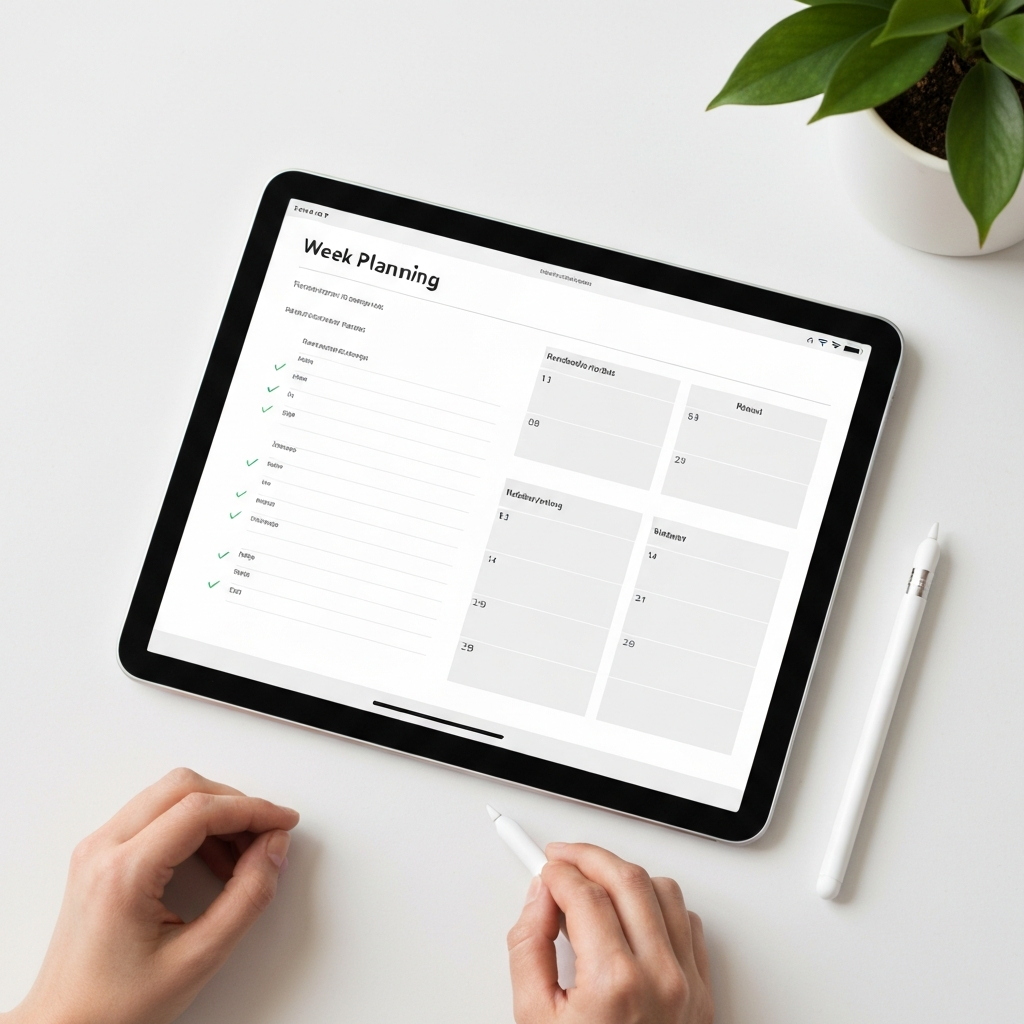
I’ve tried dozens of templates over the years. Most are either too complex (36-tab spreadsheets nobody maintains) or too simple (glorified to-do lists). Here’s the structure I actually use:
The One-Page Growth Sprint Template
- Primary Metric: One number that defines success
- Weekly Themes: Foundation → Sprint → Optimize → Scale
- Daily Big Three: Three high-leverage tasks per day, no more
- Weekly Review Prompts: What worked? What flopped? What’s the next experiment?
- Resource Allocation: Time budget, financial budget, energy budget
Notice what’s missing? Detailed hour-by-hour schedules. Color-coded category systems. Twelve different tracking metrics. I’ve learned that complexity kills consistency. The best growth checklist is one you’ll actually use daily.
Fatal Mistakes That Kill Growth Plans
After a decade in this game, I’ve seen the same mistakes destroy promising growth plans over and over:
Mistake #1: Goal Overload
You can’t chase six rabbits and catch any. I limit clients to one primary metric, period. Everything else is a supporting indicator, not a target.
Mistake #2: Tactics Without Strategy
Running Facebook ads because some guru said so? That’s not a strategy. A strategy answers “why this tactic, why now, for this specific audience?” Without that clarity, you’re just burning resources.
Mistake #3: No Feedback Loops
If you only review progress once at day 30, you’ve wasted 29 days of potential course-correction. I check my primary metric daily and do mini-reviews every Sunday.
Mistake #4: Comparing Day One to Someone Else’s Day 1,000
That entrepreneur with 500K followers started somewhere too. Your growth sprint competes only with your own baseline—not someone else’s highlight reel.
Frequently Asked Questions
How long does it take to see results from a 30 day growth plan?
Most people see measurable traction by day 14-21 if they follow the plan consistently. However, the real compounding effects typically show up 60-90 days after implementing the initial 30-day sprint. The first month builds the foundation; the following months reveal the growth curve.
What’s the difference between a growth plan and a marketing plan?
A marketing plan focuses specifically on promotional activities and brand awareness. A growth plan is more comprehensive—it encompasses marketing, product improvements, customer retention, operational efficiency, and revenue optimization. Think of marketing as one lever within your larger growth strategy.
Can I run a 30 day growth sprint while working a full-time job?
Absolutely. I’ve designed this framework for busy professionals who have 1-2 focused hours daily. The key is batching similar tasks and protecting your growth time like any important meeting. Many of my most successful case studies came from side-hustlers building after their 9-to-5.
What tools do I need for an effective growth checklist?
Start simple: a project management tool (Notion, Trello, or Asana), analytics (Google Analytics is free), and a scheduling tool for content. Avoid tool overload—I’ve seen people spend more time configuring software than actually growing their business.
My Top Recommended Gear
After years of testing different tools and products, these three consistently help my clients execute their growth plans more effectively:
- Productivity Planner & Goal-Setting Journal: I recommend a structured daily planner designed for entrepreneurs. Having your growth checklist in a physical format creates psychological commitment that apps can’t match. Browse Productivity Planners on Amazon →
- Noise-Canceling Headphones for Deep Work: Your growth sprint requires focused execution time. Quality headphones eliminate distractions and signal to your brain that it’s time to work. Browse Noise-Canceling Headphones on Amazon →
- Portable Whiteboard for Strategy Sessions: I map out my weekly growth priorities on a whiteboard every Sunday. Seeing everything visually helps identify connections and priorities you’d miss in a linear document. Browse Portable Whiteboards on Amazon →
The right tools won’t guarantee success—but they remove friction that slows you down. Invest in gear that makes execution easier, not more complicated.
Look, a 30 day growth plan isn’t magic. It’s a commitment to focused action, rapid iteration, and honest assessment. The entrepreneurs who win aren’t necessarily smarter or more talented—they’re just more consistent at executing what works while cutting what doesn’t.
Your next 30 days can look exactly like the last 30. Or they can be the month you finally built real momentum. That choice is entirely yours to make.
Now stop reading and start building your foundation. Day one begins today.
Disclaimer: This post contains affiliate links. As an Amazon Associate and ClickBank Partner, I may earn a commission from qualifying purchases at no additional cost to you.


2 Comments
Comments are closed.