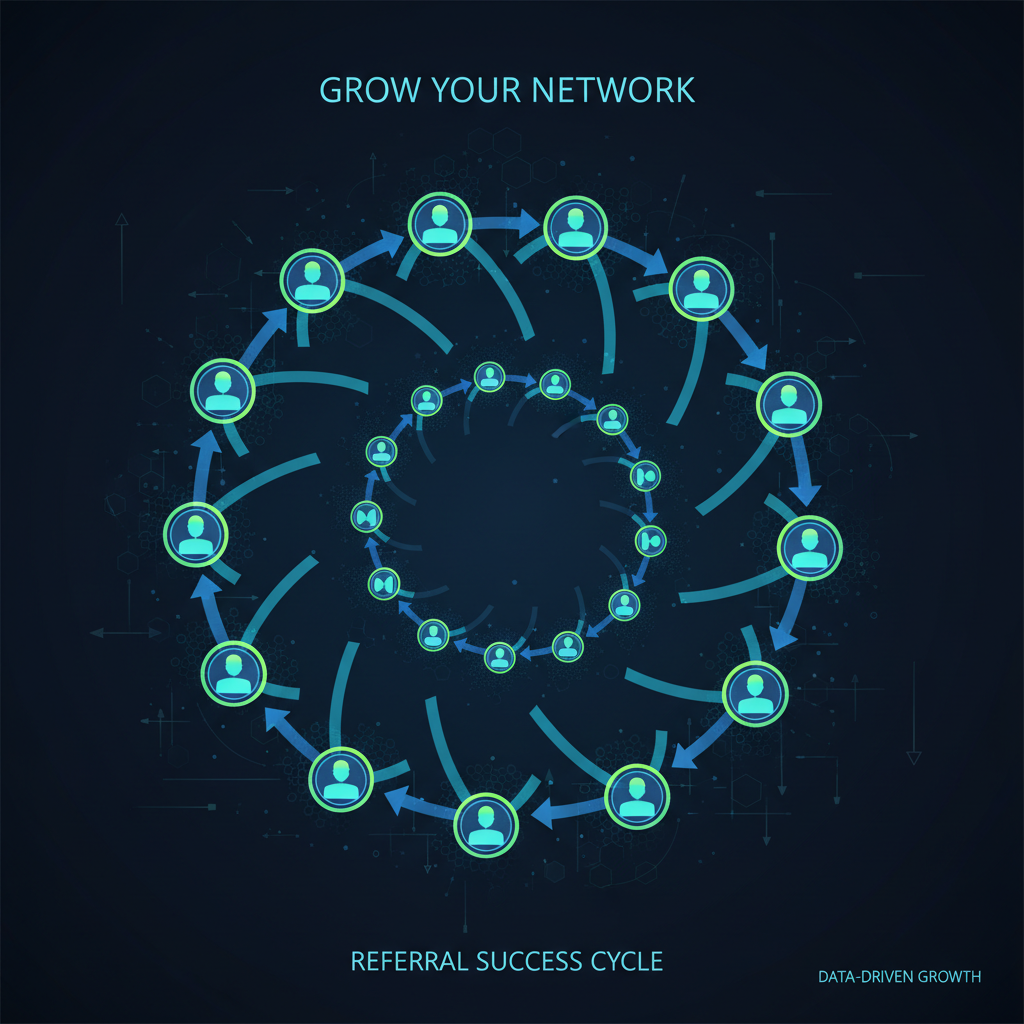
Most companies hemorrhage money on viral loop referral systems that never actually go viral. I’ve watched brands burn through five-figure budgets on referral programs that produced fewer signups than a handwritten flyer taped to a coffee shop bulletin board. The problem isn’t that referral marketing doesn’t work — it’s that 90% of teams build their loops backwards, incentivize the wrong behaviors, and wonder why their “growth hack” flatlined on day three. I’ve spent the last decade building and auditing these systems, and I’m going to walk you through exactly what separates the programs that compound from the ones that combust.
Table of Contents
- What Are Viral Loop Referral Systems?
- Why Most Referral Programs Fail Spectacularly
- The Anatomy of a High-Converting Viral Loop
- Engineering Your Viral Coefficient: Advanced Tactics
- Real-World Examples That Actually Worked
- Building Your First Scalable System Step-by-Step
- Mistakes That Kill Viral Loops Dead
- Frequently Asked Questions
- My Top Recommended Gear
What Are Viral Loop Referral Systems?
A viral loop referral system is a self-reinforcing growth mechanism where each new user is structurally incentivized to recruit additional users, who then repeat the cycle — creating compounding, exponential customer acquisition without proportional increases in ad spend. Think of it as a flywheel, not a funnel.
Here’s why the distinction matters: a traditional referral program says “tell a friend, get a coupon.” A viral loop architects the entire user experience so that sharing becomes an inseparable part of using the product. The referral isn’t bolted on — it’s baked in. Dropbox didn’t just ask you to refer friends. They made the product fundamentally more useful when you did. That’s the difference between a suggestion box and a growth engine.
According to research from the Harvard Business School, referred customers have a 16% higher lifetime value than non-referred customers. That stat alone should make every growth team reconsider where they allocate budget. If you’ve been focusing exclusively on paid acquisition, you’re leaving compounding returns on the table.
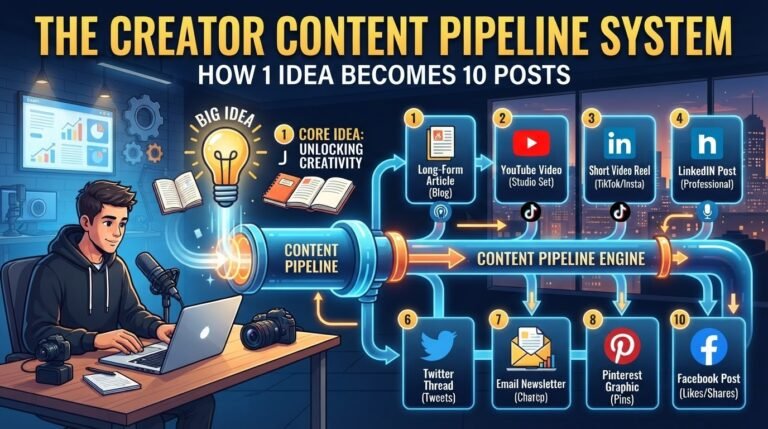
I cover the foundational mindset shifts behind these kinds of advanced growth systems and secrets in a separate deep-dive — start there if you need the strategic groundwork before the tactical playbook below.
Why Most Referral Programs Fail Spectacularly
Let me bust the biggest myth right now: offering a bigger incentive does NOT fix a broken viral loop. I’ve audited referral programs offering $50 per referral that underperformed programs offering nothing but early access. Why? Because the incentive is never the bottleneck — friction is.
Here’s what actually kills most referral marketing efforts:
- The sharing mechanism requires too many steps. If I need to copy a link, open my email, paste it, write a message, and hit send — I’m out. Every click you add cuts your share rate roughly in half.
- The value proposition for the referred friend is unclear or weak. “My friend sent you a link” is not compelling. “You get 30 days free of the tool that helped me 3x my output” — that’s compelling.
- They optimize for vanity metrics. Shares and clicks mean nothing if those visitors don’t convert and then refer others themselves. The loop only works when the full cycle completes.
- Timing is terrible. Asking for a referral before the user has experienced their first “aha moment” is like asking someone to recommend a restaurant after they’ve only read the menu.
The FTC’s endorsement guidelines also apply here — you need transparency about incentivized referrals, or you risk both legal headaches and trust erosion. Don’t skip compliance because you think you’re too small to get noticed. IMO, trust is your most scalable asset.
The Anatomy of a High-Converting Viral Loop
Every viral loop that I’ve seen work at scale contains exactly four stages. Miss one, and the loop breaks:
- Stage 1: Activation. The user experiences genuine value. Not “signs up” — actually gets a result. This is your conversion optimization foundation.
- Stage 2: Trigger. A contextual prompt appears at the moment of peak satisfaction. Not a random popup — a strategically timed nudge.
- Stage 3: Share. The user shares with minimal friction through a pre-loaded, personalized message via their preferred channel.
- Stage 4: Convert & Loop. The referred user arrives on a landing page designed specifically for referred traffic, activates, and the cycle restarts.
Notice I said “landing page designed specifically for referred traffic.” This is where most teams blow it. They send referred visitors to their generic homepage. Referred visitors have fundamentally different intent — they arrive with social proof already in hand. Your page needs to acknowledge that and reduce the gap between “I’m curious” and “I’m in.” If you want to nail this kind of messaging precision, study how to master your hook library system — it’ll transform how you write every touchpoint in your loop.
Engineering Your Viral Coefficient: Advanced Tactics
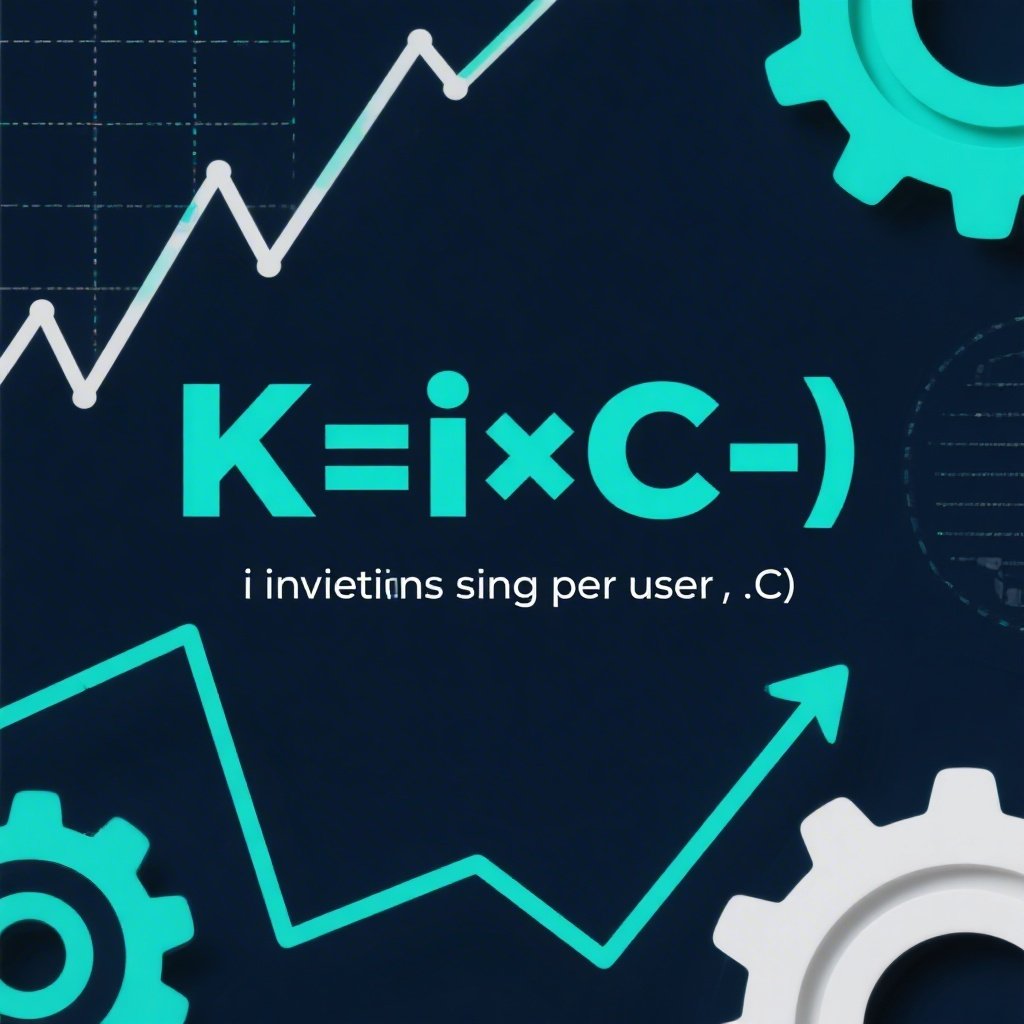
Your viral coefficient (K-factor) is the single number that determines whether your growth strategy compounds or collapses. The formula is dead simple:
K = i × c
Where i = average invitations sent per user and c = conversion rate of each invitation. If K > 1, you grow exponentially. If K < 1, you still benefit from organic amplification — you just need other channels to supplement.
Here’s my insider playbook for pushing K higher:
- Increase “i” by making sharing a natural byproduct of usage. Calendly links, collaborative documents, shared playlists — these aren’t “referral features.” They’re core functionality that happens to expose new users to the product. That’s the gold standard.
- Increase “c” with asymmetric incentives. Give the referred friend a bigger reward than the referrer. Research from the Journal of Interactive Marketing shows this reduces the social awkwardness of “selling to friends” and lifts acceptance rates.
- Compress the cycle time. A loop that takes 30 days to complete loses momentum. If you can get the referred user to their activation moment within 24 hours, your compound rate skyrockets.
- Segment and personalize. Your power users — the top 10% who already love you — will generate 80% of your referrals. Identify them early and give them exclusive sharing tools, early access perks, or status badges.
I mapped out how to identify and activate these high-value segments inside a powerful 30-day growth plan that I built specifically for rapid-results execution. Pair it with the loop structure above and you’ve got something genuinely dangerous 🙂
Real-World Examples That Actually Worked
Theory is great. Results are better. Here are three viral loop referral systems I’ve studied obsessively:
Dropbox: The 60% Revenue Driver
Dropbox’s referral program drove 60% of all signups at its peak. The loop worked because extra storage space was both the incentive AND the product benefit. Referrer gets space. Friend gets space. Both need the product more as a result. That’s a perfect loop — the reward increases product stickiness.
PayPal: Buying Growth That Paid for Itself
PayPal literally paid people $10 to sign up and $10 to refer. Sounds unsustainable? They calculated that customer lifetime value far exceeded the acquisition cost. They grew to 100 million users. Sometimes the “expensive” growth hack is the cheapest one when you actually do the math on scalable systems.
Notion: The Product-Led Quiet Giant
Notion didn’t build a traditional referral program. They built a product so template-friendly and shareable that every workspace a user created became a passive referral. Templates shared on Twitter, Reddit, and blogs drove millions of signups. The product WAS the viral loop.
Expert Commentary: This breakdown of how viral loops and referral mechanics actually function inside real products is one of the clearest explanations I’ve found — watch it if you want to understand the mechanics before building your own.
Building Your First Scalable System Step-by-Step
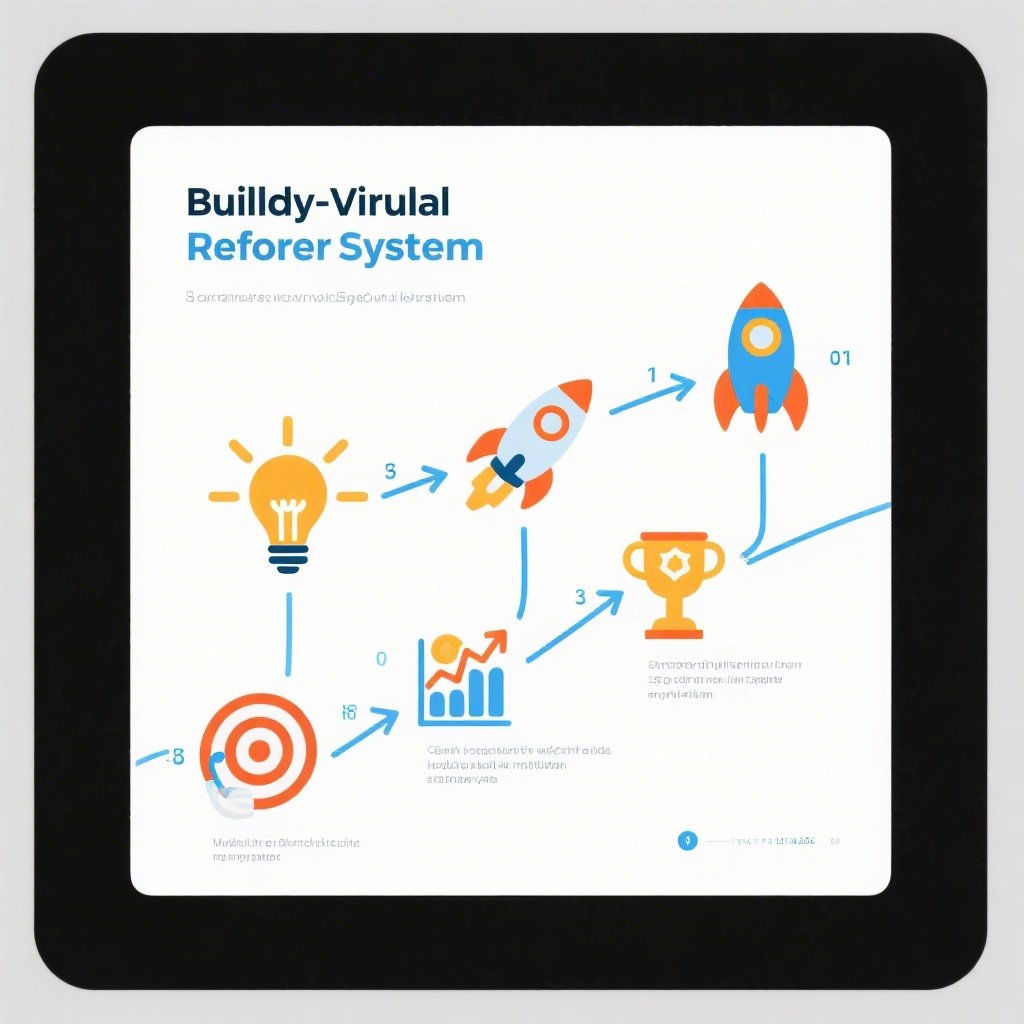
Stop overthinking this. Here’s my exact framework for launching a viral loop referral system from scratch — the same process I use with clients:
- Step 1: Define your activation metric. What’s the single action that makes a new user “get it”? For Slack, it’s sending 2,000 messages. For your product, it might be completing their first project or seeing their first result.
- Step 2: Map the share trigger. Place your referral prompt immediately after the activation moment — not before, not during onboarding, not in a buried settings menu.
- Step 3: Pre-write the share message. Never make users write their own referral message. Give them a pre-loaded, benefit-driven message they can send with one tap. Write three variations and A/B test.
- Step 4: Build a dedicated referred-user landing page. Acknowledge the referral. Show social proof. Reduce signup friction to one field if possible.
- Step 5: Instrument everything. Track shares sent, clicks received, signups completed, activations achieved, and second-generation referrals. If you can’t measure the full loop, you can’t optimize it.
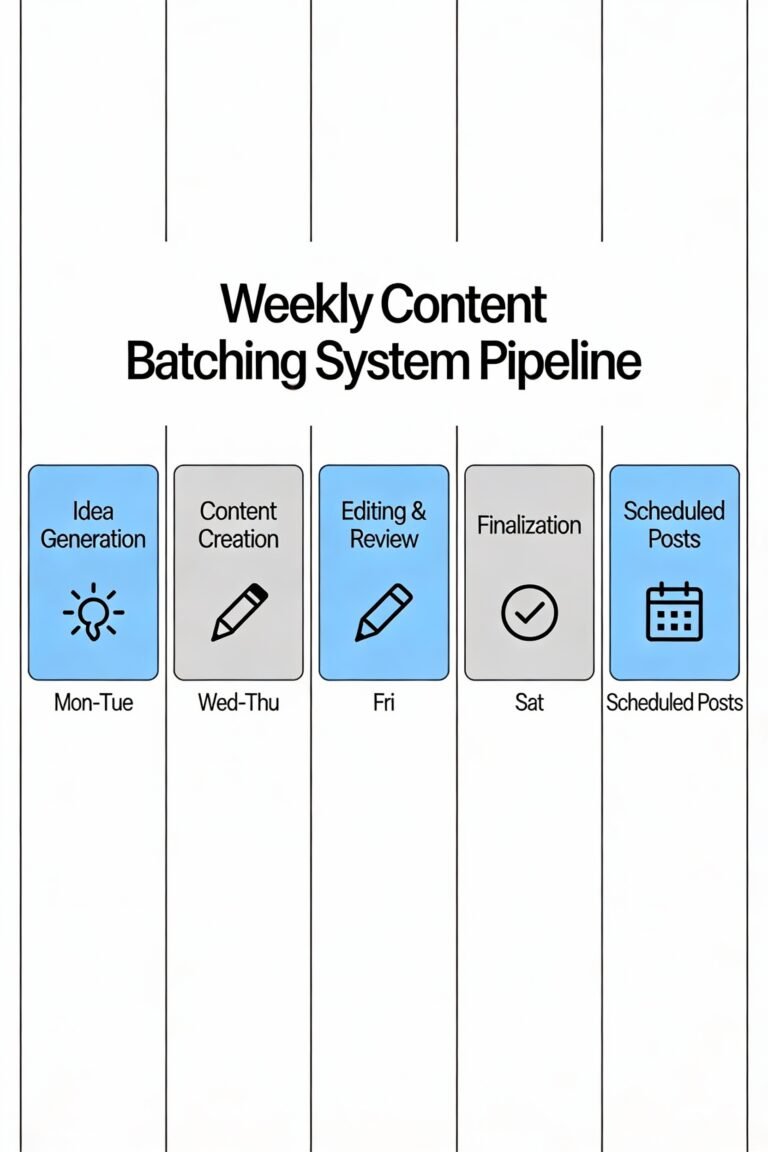
- Step 6: Batch and iterate. Run weekly optimization sprints. I use a content batching system for my own campaigns that keeps testing cycles tight and organized — the same principle applies to referral creative and messaging.
Pro tip: launch to your most engaged 10% first. If the loop doesn’t work with your biggest fans, it won’t work with anyone. Fix the mechanics before you scale the audience.
Mistakes That Kill Viral Loops Dead
After auditing dozens of referral programs, these are the recurring killers I see — even among sophisticated teams:
- Scaling before the loop is proven. Pouring paid traffic into a broken loop just burns money faster. Get K-factor data from organic users first.
- Ignoring fraud. People WILL game your incentives. Self-referrals, fake accounts, referral farms — build detection from day one. According to Forrester Research, up to 30% of referral program signups can be fraudulent without proper safeguards.
- Treating all channels equally. Email referrals convert at 2-5x the rate of social shares in most B2B contexts. Know where YOUR users actually communicate and optimize for those channels specifically.
- Setting and forgetting. A viral loop is a living system. User behavior changes, channel algorithms shift, competitors launch their own programs. Review and optimize monthly. No exceptions, fam.
Frequently Asked Questions
What is a viral loop referral system?
A viral loop referral system is a self-perpetuating growth mechanism where existing users invite new users, who then become referrers themselves. This creates an exponential cycle of customer acquisition without proportional increases in marketing spend. The key distinction from a simple referral program is that the loop is structurally embedded into the product experience itself.
What is a good viral coefficient for a referral program?
A viral coefficient (K-factor) above 1.0 means each user brings in more than one new user, creating true exponential growth. Most successful programs operate between 0.4 and 0.7, supplemented by other acquisition channels. Anything above 0.3 adds meaningful organic growth and significantly reduces your overall cost per acquisition.
How long does it take for a viral loop to generate measurable results?
Most well-designed viral loop referral systems show measurable traction within 4 to 8 weeks. However, you need a minimum viable audience of at least 500 to 1,000 active users to generate enough data for meaningful optimization. Premature scaling — before you’ve validated the loop mechanics — remains the number one killer of referral programs.
Do viral loop referral systems work for B2B companies?
Absolutely. B2B viral loops often outperform B2C versions in revenue per referral. The key difference is that B2B loops rely more on professional reputation and tangible business outcomes as incentives rather than discounts. Slack, Notion, and Figma all grew primarily through B2B viral loops built into collaborative product features.
My Top Recommended Gear
These are the tools and resources I personally use or recommend to anyone building viral marketing programs and scalable systems for referral-driven growth:
- Referral Marketing Strategy Books: Browse top-rated referral marketing strategy books on Amazon — I keep three of these on my desk at all times.
- Analytics Dashboard Monitors: Find ultrawide monitors built for analytics dashboards on Amazon — You can’t optimize a viral loop if you can’t see all your metrics at once. Seriously, the screen real estate pays for itself.
- Whiteboard Planning Systems: Shop large magnetic whiteboards for strategy planning on Amazon — I map every single loop on a physical whiteboard before I touch a single line of code or copy. Old school? Sure. Effective? Every time.
Disclaimer: This post contains affiliate links. As an Amazon Associate, I may earn a commission from qualifying purchases at no additional cost to you.