
The 2026 Facebook algorithm update was supposed to be good news for groups. You’ve heard it all before. “Groups are the future.” “Community is king.” “This update changes everything.”
Then you posted in your group. Twelve people saw it. Two liked it. Nobody commented.
So let’s be clear about who this is for. It’s for the group admin who built something real, watched their Facebook group reach go quiet, and now rolls their eyes at every “Groups are back!” headline.
You’re not wrong to be skeptical. But you’re missing one piece of the picture, and that piece changes everything.
Table of Contents
Why Your Facebook Group Reach Dropped
Your pain is real. I won’t pretend it isn’t.
As reported by social media marketing consultant Lilach Bullock, one consultant tracked three business groups of 1,500 to 8,000 members through 2025. Average post reach fell by around 60 to 70 percent compared with 2021, for groups of the same size. The admins didn’t change anything. Same topics. Same tone.
Here’s why. Group posts no longer show up in the main News Feed unless they already have strong engagement. That’s a trap for small or new groups. You need engagement to get seen, but you need to get seen to get engagement. On top of that, Meta changed the default notifications. Members now see “highlights” instead of every post, according to Bullock.
So yes. The free ride ended. Facebook stopped pushing every group post to every member.
But here’s the question nobody asks. What did Facebook replace that free ride with?
Does the 2026 Facebook Algorithm Favor Groups?
Yes. The 2026 Facebook algorithm favors groups because it ranks content by personal relevance and effort-based engagement, not global virality. Long comments, reply threads, and shares to friends now outweigh passive likes, and content from Groups sits in the same priority tier as friends and family. Passive groups lose reach; active, conversation-driven groups gain it.
This is the heart of the 2026 Facebook algorithm update. Read it slowly.
According to SocialPilot’s 2026 Facebook algorithm breakdown, the algorithm no longer prioritizes what is “viral” globally. Instead, it prioritizes what is deeply relevant to a particular user at that exact moment.
In plain terms: Facebook used to reward the loudest post in the room. Now it rewards the post that matters most to you.
And look at this line from the same analysis: a post with 50 thoughtful, long-form comments can easily outrank a post with 5,000 passive likes.
Fifty comments beat five thousand likes. Where do fifty thoughtful comments happen? Not on a brand page. Not on a random meme account. They happen in groups.
Why Facebook Group Engagement Wins the 2026 Algorithm
Every platform rewards something. The question is what. In 2026, Facebook rewards effort.
SocialPilot reports that Meta’s AI now prioritizes Active Signals: actions that take effort and point to a genuine human connection. A like takes half a second. A real comment takes thought.
What Groups Produce That Pages Can’t
Here’s what Facebook group engagement naturally creates that pages struggle to match:
Long replies. People in groups write paragraphs. They share their own stories.
Back-and-forth threads. One person asks. Five people answer. Then they argue about it.
Shares to friends. “You need to see this” happens more in niche communities.
Return visits. Members come back to check whether someone answered them.
That’s the exact behavior the algorithm now hunts for. Shares and comments carry more weight than likes. And content from friends, family, and Groups gets priority over brand or publisher content, unless that brand content sparks strong engagement.
Read that again. Groups sit in the same priority tier as friends and family. Brands have to fight their way in. If you’ve spent years on classic social media marketing tactics built around your Page, this is the moment to shift your weight toward community.
How Facebook’s New Interest Surveys Help Group Content
Here’s a detail most skeptics have never heard about.
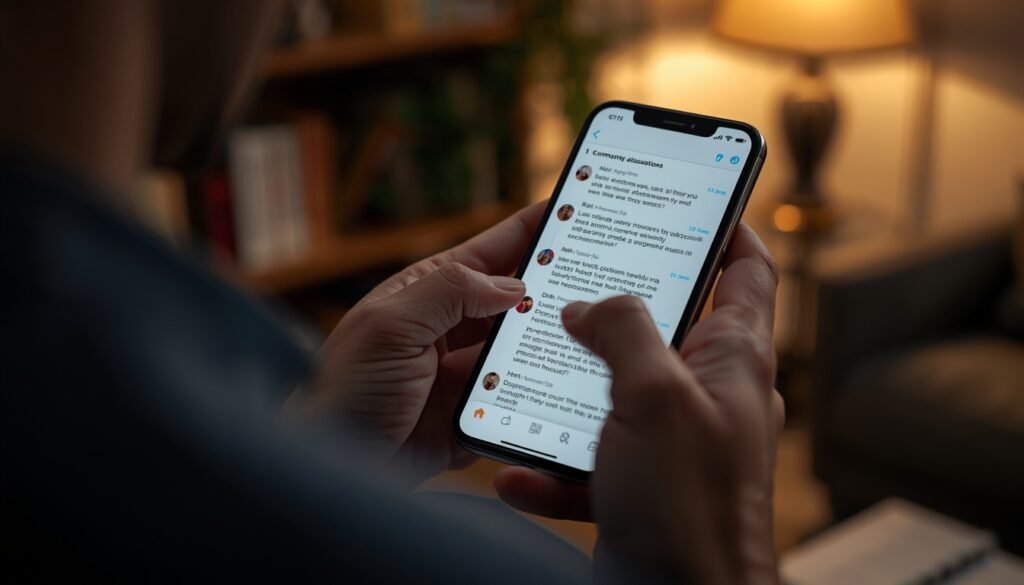
Meta launched the User True Interest Survey (UTIS) model in January 2026, starting with Reels recommendations. Instead of relying only on engagement metrics, Meta now asks users directly in their feed: “How well does this video match your interests?”
Yes, that started with Reels. But look at the direction. Facebook is moving away from “what grabs attention” toward “what people genuinely value.”
The results were measurable. In Meta’s own testing with over 10 million users, reported by PostEverywhere, high survey ratings rose 5.4% and low ratings fell 6.84%.
Why does this matter for you? Because clickbait loses when people get asked what they really think. Real community wins. A group where members actually help each other is the definition of “matches my interests.”
Facebook Group Reach vs. Page Reach: The Numbers
Let’s compare. Same audience size. Different container.
One analysis ran the numbers on 10,000 people. In a group that size, a typical post reaches 2,000 to 4,000 members. A great post can reach over 5,000. But put the same post on a Page with 10,000 followers, and only 200 to 600 people see it.
Now, be fair. That source, FB Group Bulk Poster, sells group tools, so take the exact figures with a grain of salt. But the direction matches what others report too. One 2026 guide from PostEverywhere calls Groups one of the last goldmines for organic reach on Facebook, citing 1.8 billion monthly active Group users.
Even the harshest critic admits the base is still huge. Bullock notes that Meta still reports hundreds of millions of monthly active group users worldwide.
So here’s the skeptic’s real choice. Groups got harder. Pages got harder too. Which one still gives you a room full of people who chose to be there?
Why Your Group Reach Still Dropped (The Hard Truth)
This is the part you won’t like. Stay with me anyway.
Your reach didn’t drop because Facebook hates groups. It dropped because Facebook stopped rewarding passive groups.
How the 2026 Algorithm Tests Every Post
Here’s how the system works now. Facebook shows your post to a small group of people first. It watches what they do. If they engage deeply, Facebook shows it to more people. If they scroll past, it stops. SocialPilot describes it as a cycle: test, measure, score, then expand or kill. Meta lays out its own version of this process in its official explanation of Facebook Feed ranking.
In 2021, a dead post still got shown around. In 2026, a dead post dies fast.
That feels brutal. But it also means a great post can travel further than ever.
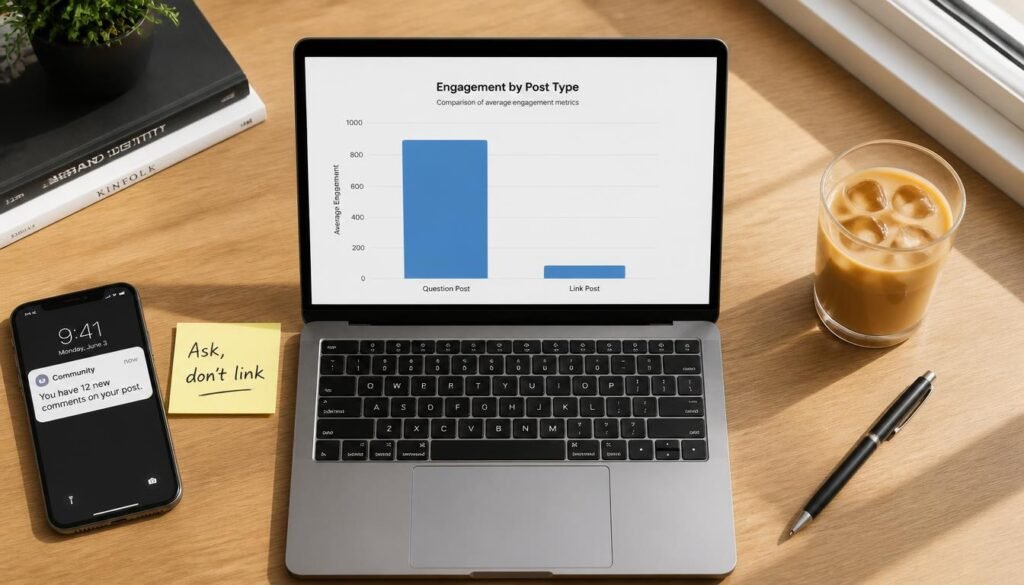
Here’s a concrete example. Say you post “New blog up, link below!” Members ignore it. The test fails. Reach tanks.
Now say you post “What’s the one client mistake that cost you the most money?” Twenty people write real answers. The test passes. Facebook expands it. Maybe even beyond your group.
Same group. Same algorithm. Totally different result.
You don’t have to take anyone’s word for this, including mine. Open your group’s admin tools, go to Insights, and compare the reach of your last five link posts against your last five question posts. Your own data will show you the pattern in about two minutes. If you want to build a habit of reading those numbers week to week, our guide to real-time marketing analytics walks through how.
How to Grow a Facebook Group Beyond Your Members
Here’s the upside skeptics almost never mention. The 2026 feed isn’t just about your followers anymore.
According to Diginewbie, Facebook now fills your feed with up to 50% recommended content from accounts you don’t follow. That’s a massive discovery engine, and groups are part of it.
Metadatareactor reports that the 2026 Facebook algorithm has shifted sharply toward content discovery, especially through Reels, Groups, and what Meta calls “unconnected recommendations.”
Meta is even testing ways to push people toward strangers. MSN reported that the company tested a splash screen prompting users to send friend requests to people they don’t know yet, a move tied to its growing focus on discovery.
Think about what that means. The old model capped your reach at your member count. The new model lets strong group content find strangers who care about your topic. That’s growth you couldn’t buy before.
Is Facebook Referral Traffic Coming Back in 2026?
If you run a business, this is where it gets exciting.
For years, Facebook traffic felt dead. That’s changing. Some publishers are seeing Facebook referral traffic grow 4x in 2026 compared with 2025.
And the playbook for that rebound points straight at community. Publishers and affiliates are growing traffic through Groups, Reels, shareable content, and targeted ads.
Groups are how you earn trust. Trust is what makes people click. Clicks are what the rebound runs on.
Why People Are Choosing Facebook Groups Over the Feed
Numbers only tell half the story. Here’s the other half.
People are tired. Tired of endless videos from strangers. Tired of AI junk. Tired of scrolling past content made for nobody in particular.
What do they want instead? A room where someone knows their name. A place where they can ask a dumb question and get a kind answer. A spot where their comment actually matters.
That’s a group. Not a page. Not a Reel. A group.
The 2026 algorithm is catching up to what humans already knew. Connection beats noise. SocialPilot’s 2026 guide puts it simply: Reels for discovery, Feed for depth and authority, and Stories and Groups for relationships and trust.
Discovery gets people in the door. Trust keeps them in the house. You can’t buy trust with a viral video.

How to Increase Facebook Group Engagement This Week
Enough theory. Here’s how to make the 2026 Facebook algorithm work for your group.
Stop posting links first. Ask a question. Put any link in the comments later.
Ask questions people want to answer. “What’s your worst mistake with X?” beats “Thoughts?”
Reply to every comment in the first hour. Early replies help your post pass the test.
Tag and welcome new members by name. Personal attention sparks real replies.
Share your own story. Specific and honest beats polished and vague every time.
Give recurring threads a name. A weekly “Win Wednesday” or a branded hashtag gives members a reason to come back.
Pair groups with Reels. Use Reels to find strangers. Invite them into the group to build trust.
Build a backup channel. Keep an email list too. Never let one platform own your audience.
That last one matters. Facebook changes its mind often, and that makes sense once you understand how social media sites make money. HeyOrca reports that Meta is even removing Community Chats, the chats linked to Facebook Groups. Protect yourself. Then play the game hard.
Watch: Organic Facebook Engagement Tactics for 2026
This walkthrough covers organic techniques for lifting comments and reach in 2026. Watch it with your group in mind and put the tactics to work there first.
Tools That Make Running an Engaged Group Easier
Disclosure: As an Amazon Associate I earn from qualifying purchases. The links below are affiliate links, at no extra cost to you.
Get Together: How to Build a Community with Your People by Bailey Richardson, Kevin Huynh, and Kai Elmer Sotto. A practical guide to turning a quiet audience into a group that actually shows up and talks.
The Art of Community by Charles Vogl. The principles behind belonging, rituals, and trust, the exact things the 2026 algorithm now rewards.
Smartphone Gimbal Stabilizer. Steady, professional-looking Reels you can use to pull strangers into your group.
Wireless Lavalier Microphone for Phones. Clear audio for Reels, group lives, and welcome videos. Bad sound kills watch time fast.
LED Ring Light with Phone Holder. Better lighting for live Q&As and video replies inside your group.
Frequently Asked Questions About the 2026 Facebook Algorithm and Groups
Does the 2026 Facebook algorithm favor groups over pages?
Yes. The algorithm ranks content by personal relevance and effort-based engagement, and group content sits in the same priority tier as posts from friends and family. Pages have to earn their way into the feed with strong engagement.
Why did my Facebook group reach drop so much?
Facebook stopped showing every group post to every member. Posts now get tested on a small audience first, and only spread if people engage deeply. Default notifications also switched to “highlights,” so passive posts rarely reach most members.
What type of post gets the most reach in a Facebook group in 2026?
Questions people genuinely want to answer. A post that sparks long comments and back-and-forth replies passes Facebook’s test and gets shown to more people, sometimes beyond your group. Link-first posts usually fail that test.
Do likes still matter on Facebook in 2026?
They matter far less. Comments, shares, and replies carry more weight because they take effort. A post with 50 thoughtful comments can outrank one with 5,000 likes.
Can my Facebook group reach people who aren’t members?
Yes. Up to half of the 2026 feed is recommended content from accounts people don’t follow, and groups are part of that discovery system. Strong group content can now surface for strangers who care about your topic.
How often should I post in my Facebook group?
Post as often as you can start real conversations, and no more. One great question that you actively reply to in the first hour will do more than five posts nobody answers.
Should I rely only on my Facebook group to reach my audience?
No. Meta changes features often, including removing Community Chats linked to groups. Keep an email list alongside your group so you always own a direct line to your people.
The 2026 Facebook Algorithm Isn’t Your Enemy
The reach you lost was never loyalty. It was Facebook handing out free impressions to anyone who showed up, and you were sharing that room with every lazy post on the platform. That room is closed now.
What replaced it is harder, and it’s better. The 2026 Facebook algorithm doesn’t care how big your group is. It cares whether anyone in it would miss you if you stopped posting. Most admins won’t like that answer, which is exactly why the ones who act on it are about to have the platform to themselves. For more plays like this one, browse our full library of social media marketing techniques.
So stop reading about it. Open your group right now, post the one question your members can’t resist answering, and don’t leave the thread for the next hour.