

If you searched how the YouTube Shorts algorithm works, you’ve probably already sat through a hundred “algorithm secrets” videos. You’ve tried the hacks. You posted at the “perfect time.” And you still got 214 views. So when one more person promises to explain the Shorts algorithm, your guard goes up. Good. Keep it up. Because I’m not selling you magic. I’m going to show you the machine — and the machine is far simpler than the gurus want you to believe.
Table of Contents
Shorts Don’t Use the Same Algorithm as Long-Form Videos
Most advice treats Shorts like regular YouTube videos. That’s the first lie. They’re not the same, and YouTube has said so directly. The Shorts feed runs on its own separate algorithm, not the long-form one. Todd Sherman, YouTube Shorts’ product lead, confirmed Shorts run on a totally different system because the formats serve different purposes.
Here’s why that matters. With long videos, people choose. They see a thumbnail. They click. That click is a signal. With Shorts, there’s no choice. Viewers just swipe through a feed and discover content as they go. No thumbnail decision. No click. So YouTube can’t measure clicks. It has to measure something else. And that “something else” is the whole game. (If you want the cross-platform version of this, here’s how the same logic plays out in our guide to algorithm hacking and growth.)
How the YouTube Shorts Algorithm Works: Explore and Exploit
How does the YouTube Shorts algorithm work? The YouTube Shorts algorithm works by testing every Short in two phases: explore and exploit. First it shows your Short to a small seed audience. If they watch instead of swiping away, it enters the exploit phase and pushes the video to progressively larger audiences based on viewer interest.
This is the core of it. Not a secret. Not a hack. Just how the system runs. Every Short you post gets tested in two phases:
- Explore: YouTube shows your Short to a small “seed audience.”
- Exploit: If that group likes it, YouTube pushes it to way more people.
First your Short goes to a small, targeted seed audience. If they engage well, it gets promoted to a broader audience. That’s it. That’s the “mysterious” algorithm.
Don’t take my word for it — here’s YouTube’s own Shorts product lead breaking it down on the Creator Insider channel:
And here’s the part that should stop you cold. Viewers don’t choose Shorts. They just scroll into them. So the system can’t wait for clicks. Instead, it shows each Short to lots of people fast, just to see if it’s any good. Your Short isn’t being suppressed. It’s being tested. There’s a difference.

Why Your YouTube Shorts Suddenly Stopped Getting Views
Now let’s talk about the thing that made you bitter. You had good Shorts. Thousands of views. Then one day — nothing. You assumed YouTube turned against you. It didn’t.
Here’s what actually happened. Each Short gets tested on its own. Your channel doesn’t carry a “penalty.” One weak seed test just means that one video stalled. If the signals are good, views snowball. If they’re weak, impressions dry up fast.
That feels personal. It isn’t. The system is just brutally consistent. It promotes what works and buries what doesn’t. You weren’t shadowbanned. You made a Short the seed audience swiped past. That’s a fixable problem, not a curse.
Viewed vs. Swiped Away: The Metric That Decides Reach
Forget likes for a second. Forget subscribers. Here’s the number that decides your fate. It’s called “viewed vs. swiped away.” This metric measures how often viewers watch your Short instead of swiping away.
Think about what that really is. It’s a vote. Every viewer either stays or leaves. The system watches that vote in real time. Since there’s no click to measure, this becomes the main signal. CTR doesn’t matter, because users swipe through Shorts — so the key metric is viewed versus swiped away.
So the skeptic asks: “Then why do my Shorts get buried?” Because people swiped. Not because YouTube hates you. Your job isn’t to please an algorithm. Your job is to stop the swipe.
Why the First 3 Seconds of a Short Decide Everything
This is where the burned creator finally gets some good news. You don’t need a huge channel. You don’t need luck. You need a strong opening.
If the opening frame, opening line, and opening motion fail, the algorithm doesn’t need much more evidence. A Short that can’t hold attention early won’t earn reach. Why? Because the seed test happens fast. The first moments decide if people stay. And staying is the vote that matters.
Think of it like a first impression at a party. You have about two seconds before someone’s eyes drift. Same thing here.
So practically, focus your energy where it counts:
- The first frame — is it interesting on sight?
- The first line — does it make people curious?
- The first motion — is something happening, right now?
Nail those three, and you’ve passed the hardest test the system gives you. In my own testing, the pattern is boringly consistent: the Shorts that hook in the first second and loop cleanly are the ones that travel. If you want a repeatable system for those openers, we keep a running library of hooks that stop the scroll.

Creator Gear to Win the First 3 Seconds
Disclosure: The links below are Amazon affiliate links. As an Amazon Associate I earn from qualifying purchases, at no extra cost to you.
The algorithm rewards a clean first frame, a clear voice, and steady motion. You don’t need a film crew — you need three cheap upgrades that make viewers stay instead of swipe:
- Ring light with phone tripod stand — a bright, even first frame reads as “quality” in half a second, before anyone decides to swipe.
- Smartphone gimbal stabilizer (DJI Osmo Mobile) — smooth motion in the opening shot triggers the “something’s happening” instinct that stops the scroll.
- Wireless lavalier microphone for phones — muddy audio makes people swipe faster than bad video ever will. Clean sound keeps them watching.
- USB condenser microphone — for voiceover and talking-head Shorts recorded at your desk, crisp narration lifts retention.
Gear won’t save a weak idea. But when two Shorts have the same idea, the one that looks and sounds sharper wins the seed test.
How Replays and Loops Boost Your Shorts
Here’s a signal that’s unique to Shorts. And it’s powerful. Loops. Replays. When a Short ends and starts over, that counts. Replay count is a signal unique to Shorts that heavily influences recommendations.
Think about why that’s such a strong vote. A viewer didn’t just tolerate your video. They watched it again. On purpose. That’s the clearest “this was good” signal a human can give without saying a word.
So the best Shorts are often short and loopable. A clean 15-to-25-second clip that snaps back to the start beats a rambling 60-second one. Every extra second is a chance to lose them. Say more with less. That’s not a style tip. It’s an algorithm tip.
What Changed in the Shorts Algorithm (2025 Updates)
Let me address the cynic’s favorite line. “They keep changing everything.” True. But look at how they changed it.
In early 2025, YouTube made its biggest recommendation change in years. People call it satisfaction-weighted discovery. Here’s what it means in plain English: the system now cares more about whether people enjoyed your Short than about raw view counts.
There was also a view-counting change. As of March 31, 2025, any Short that starts playing or replays counts as a view, with no minimum watch time. So your view count might look bigger now. But don’t get fooled. The older, stricter count didn’t disappear — YouTube kept it as “engaged views,” and that’s still the number it uses for Partner Program eligibility and Shorts revenue sharing. Big view numbers with poor retention won’t pay you, and they won’t earn you reach. If you’re chasing dollars, our breakdown of how to turn those views into revenue starts from engaged views, not the vanity number. Keep people watching. That’s still the whole thing.
Why Small Creators Can Go Viral on YouTube Shorts
This is the part gurus get right for the wrong reasons. They say “anyone can go viral!” like it’s a slogan. But here’s the real mechanism behind it.
The seed audience isn’t picked by your subscriber count. Your Short gets shown to a seed audience based on their interests and watch history, not your subscriber count. Let that sink in. A brand-new channel and a huge channel get the same test. The video has to earn its reach either way.
YouTube tests Shorts with a small group, then promotes the ones that do well to a broader audience. That’s how a 40-subscriber account can go viral on YouTube Shorts and hit a million views. On a feed that now serves more than 200 billion views a day, the system doesn’t check your résumé — it checks the tape.
For a burned creator, this should feel like oxygen. The door isn’t locked. You just have to knock the right way.
What YouTube Shorts Retention Rate Should You Aim For?
You want hard numbers. Fair. But be careful here.
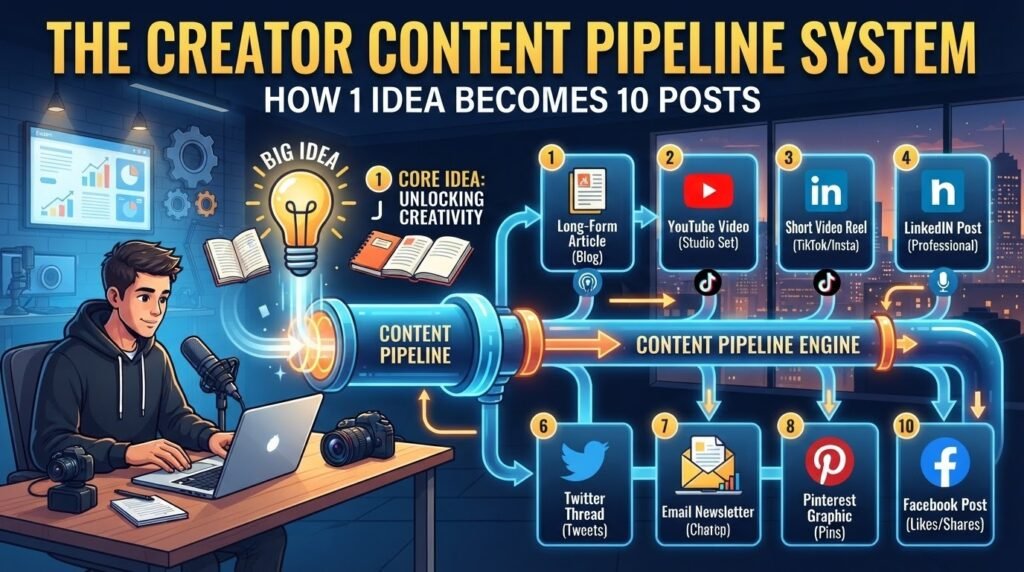
Creators and analysts throw around targets like “70% retention.” Some 2026 analysis points to rough targets. Shorts that spread wide often hold about 70% or more of their viewers, with fewer than 40% swiping away in the first two seconds. Content strategist Paddy Galloway’s research points the same direction: top-performing Shorts tend to keep a 70–90% viewed rate, while those under roughly 60% rarely gain traction. Treat those as observed benchmarks, not laws carved in stone.
YouTube hasn’t published exact cutoffs. The precise numbers shift. But the direction isn’t in doubt. Higher completion is good. Fast swipe-aways are bad. Loops are great. That’s what a healthy Shorts retention rate really comes down to.
So don’t obsess over hitting an exact percent. Obsess over the behavior behind it. Make something people finish. Make something they replay. The number is just the shadow. The real thing is viewer satisfaction.
The YouTube Shorts Algorithm Is Feedback, Not a Conspiracy
Here’s the part that stings, and the part that sets you free. The algorithm isn’t your enemy. It’s a mirror.
YouTube’s own guidance keeps saying the same thing. As YouTube’s Todd Beaupré, its senior director of growth and discovery, puts it: any time you catch yourself saying “algorithm,” swap in the word “audience.” The system is just trying to hand people videos they value.
That’s uncomfortable. Because it means the low views weren’t a conspiracy. They were feedback. But feedback is a gift. A rigged game can’t be beaten. A mirror can be worked with. Every stalled Short told you something true. The hook was weak. The middle sagged. The payoff didn’t land. Those are all things you control. The fastest way to see the pattern is to run a proper audit of your content instead of guessing.
The creators who grow aren’t the ones who cracked a secret code. The real algorithm is the loop: create, analyze, improve, repeat.
Why Consistency Beats Going Viral on Shorts
One more myth to kill. The “overnight viral” story. It happens. But it’s not the path. The path is boring and it works.
Growth on Shorts is cumulative — your 20th Short often performs far better than your first, because the system has learned your channel. Every Short teaches the algorithm who your audience is. It gets better at matching you. That’s not luck building up. That’s data building up. This is exactly where compounding growth systems beat one-off viral swings.
So the creator who posts twenty times and studies each result will crush the one who posts once and rage-quits. You already know this in your gut. You just needed permission to trust it.
How to Beat the YouTube Shorts Algorithm
Stop treating the YouTube Shorts algorithm like a slot machine that owes you a jackpot. It doesn’t owe you anything. It shows a few people your video, watches whether they stay or swipe, and hands reach to whatever earns it. That’s not a wall built to keep you out — it’s a door that opens the second you make something worth finishing.
So here’s your move, starting today:
- Win the first 3 seconds. Frame, line, motion. Hook or die.
- Keep it short and loopable. Cut the filler. Make them replay.
- Read your “viewed vs. swiped away.” That’s your real report card.
- Post again, then again. Let the mirror teach you.
You were never locked out. You were fighting the wrong fight. Post your next Short today, win those first three seconds, and then open your analytics and watch the tape instead of blaming the algorithm.
Frequently Asked Questions About the YouTube Shorts Algorithm
Why are my YouTube Shorts getting no views?
Usually the seed audience swiped away. Each Short is tested independently on a small group of viewers first. If those early viewers swipe past instead of watching, the algorithm stops pushing it. It’s not a shadowban or a channel penalty — it’s a weak-first-few-seconds problem you can fix on the very next upload.
How does the YouTube Shorts algorithm decide what goes viral?
It uses an explore-and-exploit system. Every Short is shown to a small seed audience first (explore). If people watch instead of swiping away, it’s promoted to progressively larger audiences (exploit). Reach is earned per video based on viewer response, not granted by your subscriber count.
What is a good retention rate for YouTube Shorts?
There’s no official cutoff, but analysts and creators — including Paddy Galloway’s research — point to top Shorts holding roughly 70–90% of viewers, with fewer than about 40% swiping away in the first two seconds. Treat those as benchmarks, not rules. Chase completion and replays, not a magic number.
Do subscribers matter for YouTube Shorts?
Not for the initial test. The seed audience is chosen by viewer interests and watch history, not by your subscriber count — which is exactly why a brand-new channel can hit a million views if the video performs.
How long should a YouTube Short be?
Long enough to tell the story, short enough to loop. Todd Sherman has said there’s no magic length; focus on what the content needs. In practice, tight 15–25-second Shorts that replay tend to outperform rambling 60-second ones.
Did YouTube change how Shorts views are counted?
Yes. Since March 31, 2025, a view counts the moment a Short starts to play or replays, with no minimum watch time. The older, stricter count remains available as “engaged views,” and that engaged-views number is what still governs Partner Program eligibility and Shorts revenue sharing.




One Comment
Comments are closed.